What Is a Masai Mara Flying Safari? Costs and Flights
A Masai Mara flying safari replaces the five to six hour road trip from Nairobi with a 45 to 60 minute scheduled flight to a bush airstrip near your camp. A guide meets you there with a 4×4 for your first game drive. It costs more than driving. Return flights add roughly $300 to $450 per person, and a typical 2 to 3 day fly-in package runs about $850 to $2,000 per person. In return you get more hours with the animals, and you accept luggage limits and fixed flight times.
Laxa Trails Safaris is a Kenya-based company founded in 2019 by a guide with more than 14 years in the field. We run both road and air safaris into the Mara. The figures and trade-offs below reflect how these trips work in practice, not how a brochure describes them.
This guide explains why travelers choose to fly and how the flights from Nairobi work. It covers what a trip costs and includes, how to pick the length, season and camp, and what to pack. By the end you can compare a fly-in with a drive-in and book with confidence.
Why fly into the Masai Mara instead of driving
Flying matters because it turns a travel day into safari time. By road the Mara is about 5 to 6 hours from Nairobi, and some stretches are in poor condition. By air it takes 45 to 60 minutes, so a short trip keeps its game drives.
What a flying safari gives you
On a 3-day trip by road, most of the first and last day disappears inside the vehicle. Flying hands back roughly 8 to 10 hours of extra game viewing over the trip. Those hours fall in the early morning and late afternoon, when predators are active and the light is best.
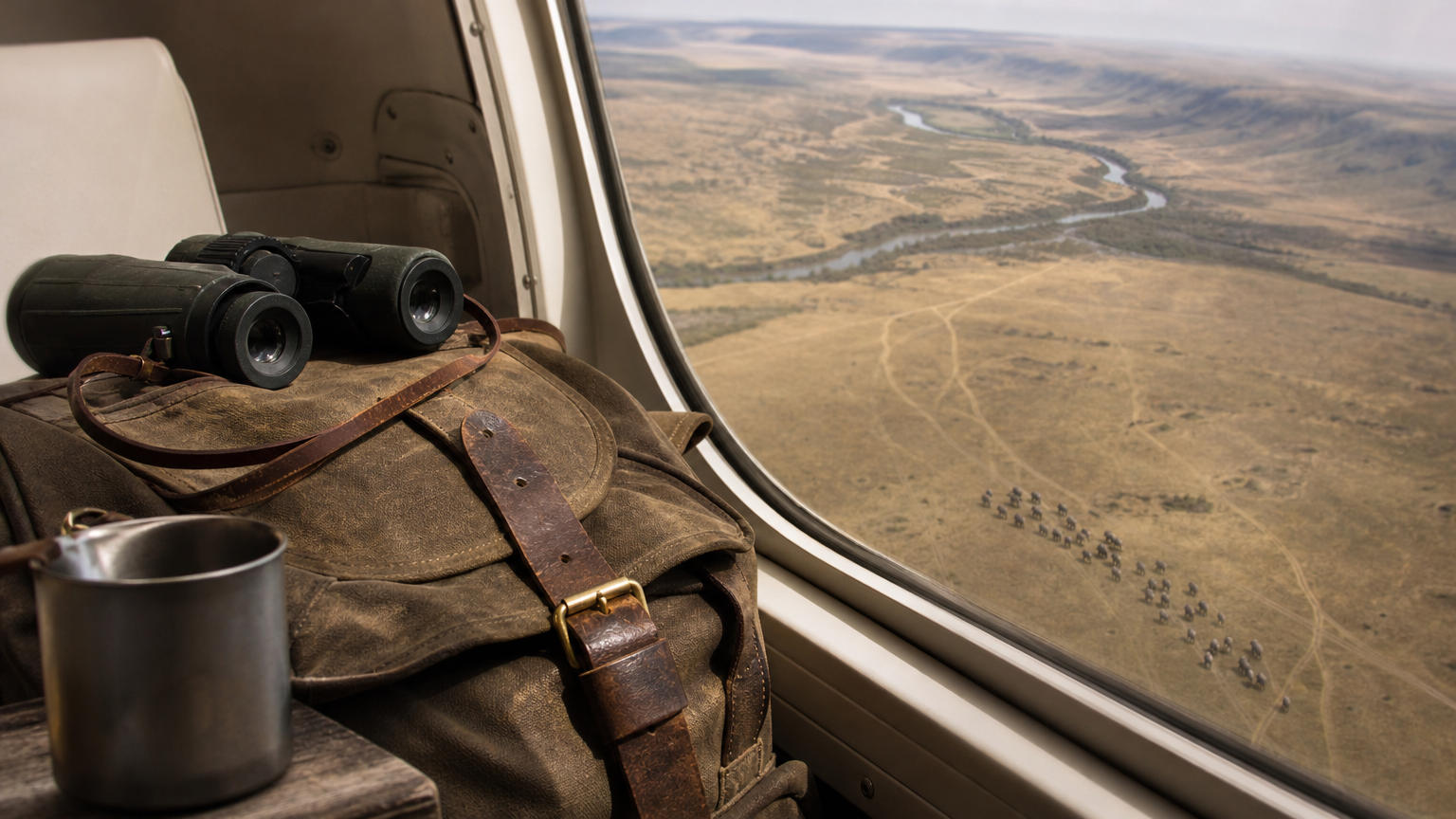
The flight itself is part of the appeal. You cross the Great Rift Valley at low altitude and see rivers, animal trails and herds from above. Flying also reaches camps far from the main gates, including some with their own airstrips.
Flying does not make the safari better, it moves your hours from the road to the bush.
Fly-in versus drive-in at a glance
The table sets the two options side by side for a standard Nairobi departure.
| Factor | Fly-in safari | Drive-in safari |
|---|---|---|
| Travel time each way | 45 to 60 minutes by air, plus transfers | 5 to 6 hours by road |
| Extra cost | About $300 to $450 per person round trip | None beyond the vehicle |
| Luggage | About 15 kg in a soft bag | No fixed limit |
| Schedule | Set by flight times and weather | Set by you and your driver |
| Combining parks | Limited, best for the Mara alone | Easy to add Naivasha, Nakuru, Amboseli |
| Road conditions | Not a factor | Rough stretches near the reserve |
Neither option wins on every line. Flying wins on time and comfort, driving wins on price and flexibility.
When driving is the better choice
Driving makes sense when you have five or more days and want to link several parks. A road itinerary can include Lake Naivasha, Lake Nakuru and Amboseli, and the long drive between stops is part of the trip. The cost difference also matters on a tight budget. Our 3-day Masai Mara and Lake Naivasha budget safari is listed from $650, and the package page shows exactly what that price covers.
Flying also depends on scheduled domestic flights, and flight times can shift when a plane is not full or the weather turns. If you cannot tolerate that uncertainty, or you travel with heavy gear, the road is simpler.
How to fly from Nairobi to the Masai Mara
You fly from Wilson Airport in Nairobi to an airstrip inside or beside the reserve, and your operator books and coordinates both legs. The steps below show how the pieces fit together.
Wilson Airport and the airlines
International flights land at Jomo Kenyatta International (NBO). Fly-in safaris leave from Wilson Airport (WIL), a smaller airport for domestic bush flights. Scheduled carriers such as Safarilink and AirKenya serve the Mara. The flight takes 45 to 60 minutes, and departures usually leave in the morning and return in the afternoon.
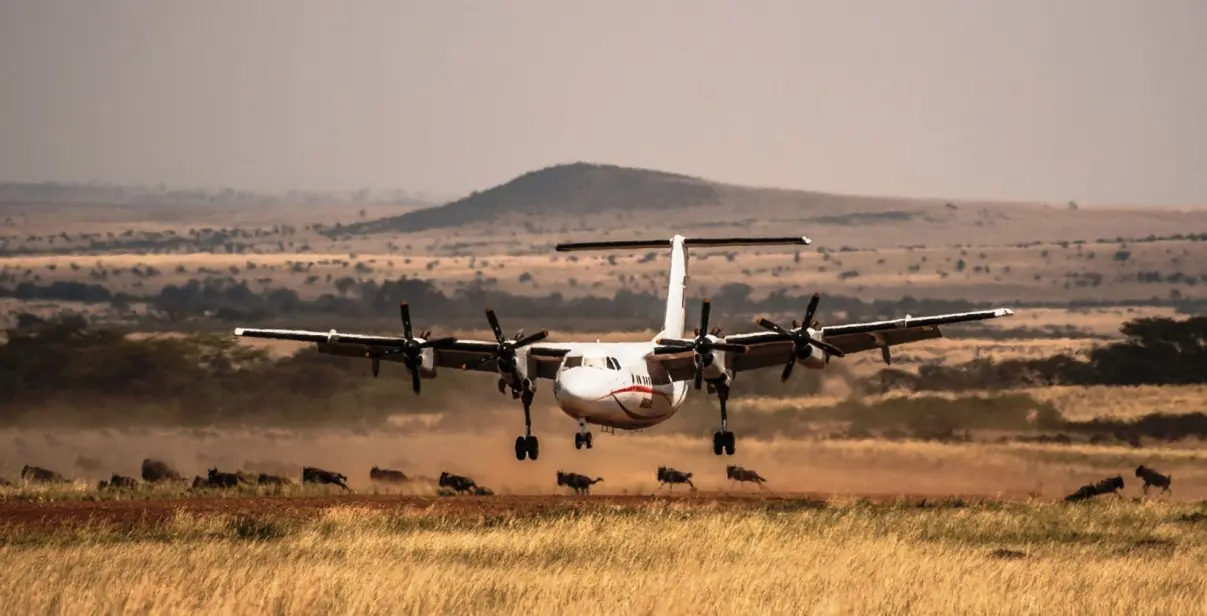
Your operator arranges the transfer between the two airports and meets you at the airstrip. Our 2 Days Masai Mara Flying Safari lists a 45-minute flight time, and its price includes airport and airstrip transfers.
Your international flight lands at JKIA, but your safari flight leaves from Wilson Airport.
What the flight costs
A one-way seat typically costs $200 to $250 per person, and a round trip about $300 to $450. That answers the common question of what it costs to fly from Nairobi to the Masai Mara. Most packages bundle the fare into one price, so you rarely buy the ticket yourself.
If you are at the coast, direct flights run to the Mara from Mombasa and Diani Beach in about two hours. You can then skip Nairobi entirely and pair a beach stay with the reserve. Flights from Kilimanjaro in Tanzania also exist.
Choosing the right airstrip
The Mara has several airstrips, and the right one is the closest to your camp. Your operator picks it when booking, but it helps to know the main ones:
| Airstrip | Where it sits |
|---|---|
| Keekorok | Southeast of the reserve |
| Mara Serena | In the Mara Triangle |
| Musiara | Near the Governors’ Camp area |
| Ol Kiombo | North of the Talek River |
| Ngerende | Serves camps near the northern edge |
| Siana Springs | Eastern camps |
| Mara North | Conservancy camps |
Do not expect a terminal. At most strips the waiting area is the shade of an acacia tree, and your guide stands next to the vehicle.
Masai Mara flying safari cost and what it includes
Most fly-in packages cost between $850 and $2,000 per person for 2 to 3 days, and longer or more luxurious trips climb to about $4,855. The price swings with camp quality, season and whether you stay inside the reserve or in a conservancy.
Typical prices by trip length
| Trip length | Typical price per person (USD) |
|---|---|
| 2 days | $850 to $1,050 |
| 3 days | $1,150 to $2,000 |
| 4 to 8 days | $1,845 to $4,855 |
Luxury lodges add to the total, with rates often running $350 to $600 or more per person per night on their own.
Here is a worked example. A couple books a 3-day fly-in at $1,500 each, so the bill is $3,000 for two. The flights account for $300 to $450 of each person’s price, which is 20% to 30%. The same safari by road would therefore cost roughly $1,050 to $1,200 each.
Flights usually make up 20% to 30% of a short fly-in package, and that is what you pay for the saved time.
What a fly-in package includes
Inclusions vary by operator, so compare lists, not headline prices. Our 2 Days Masai Mara Flying Safari is a clear example:
- Return airfare Nairobi to Masai Mara and back
- Full board meals during the safari
- English-speaking driver-guide
- Airport and airstrip transfers
- A night in a lodge in the heart of the park
- Park entrance fees
- 4×4 Land Cruiser transport and game drives
- Mineral water
Excluded items are soft and alcoholic drinks, international airfares and visa fees, tips, personal items, and optional activities unless specified as included. Check this list on any quote you receive.
Park fees and the 12-hour rule
The reserve charges a daily entry fee. Adults pay US$100 per day from January to June and US$200 per day from July to December. Children aged 9 to 17 pay $50, and younger children enter free. Conservancies set their own fees, roughly $90 to $200 per person per day. Fees can change, so confirm them when you book.
The 12-hour rule is a common source of surprise. If you leave the reserve after 10:00 am or join a morning activity on your departure day, you pay an extra day’s entry fee. Plan your return flight with that in mind, and ask whether fees are included in your package.
How to choose your length, season and camp
Match the trip to your time and goals. Two days gives a taste, three days gives a full day in the field, and four or more suits the migration or a combined itinerary.
How many days to book
A 2-day fly-in gives you an afternoon drive, a dawn drive and a night in the park. It suits a business trip or a coast holiday with a short side trip.
A 3-day fly-in adds a full middle day. You can take a picnic lunch and track the herds until dusk, which is the best way to find big cats.
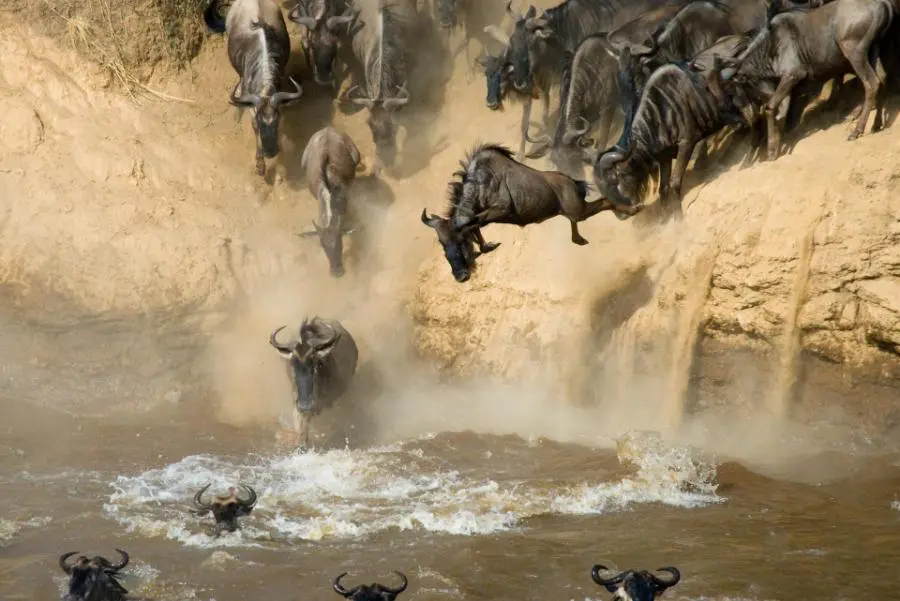
For river crossings, plan four or more days. Our 4 Days Masai Mara Great Wildebeest Migration Safari is built around a Mara River crossing day. Because we assemble packages from land and air services, you can ask us to price a flight-based version.
The best time to go
July to October is the busiest and most expensive period. The migration is in the reserve, and river crossings usually peak from July to September. The reserve’s daily fee also doubles on July 1. April and May bring afternoon rains, fewer vehicles and lower prices, and some operators discount noticeably. The rest of the year sits in between, with good game viewing and easier availability.
Book the migration months three to six months ahead, and book the quiet months whenever the price suits you.
Reserve or conservancy, and which camp
Lodges in the reserve offer pools, restaurants and easy access. Tented camps give you real beds and ensuite bathrooms under canvas. Mobile camps move seasonally to follow the herds.
Conservancies such as Mara North, Olare Motorogi and Naboisho limit vehicle numbers. They also allow night drives and guided bush walks, which the main reserve does not. If you want a quieter experience, a conservancy camp reached by air is hard to beat.
Packing and booking tips for a fly-in trip
Pack light, book through an operator that handles flight changes, and leave a buffer before your flight home. Most problems on fly-in trips come from luggage or timing, and both are easy to avoid.
Luggage limits and what to bring
Bush planes cap luggage at roughly 15 to 20 kg, in soft bags, because weight and balance matter on small aircraft. Bring a duffel, not a hard suitcase. Most camps offer laundry, so pack for three or four days and rotate. If you travel with more, you can usually store extra bags in Nairobi.
A short checklist covers the essentials:
- Lightweight, neutral clothing, since bright colors can spook wildlife
- A hat, sunscreen and sunglasses
- Binoculars and your camera with spare batteries
- Light layers for cold mornings and evenings
- Phone charger and any prescription medicine in your carry-on
Timing, changes and insurance
Domestic carriers can reschedule or merge flights when seats are empty. Never book an international departure on the same afternoon you return to Nairobi. Aim for a flight that leaves the next day, or at least several hours after your scheduled landing.
Book through a local operator so someone can rebook you if times shift. Take out travel insurance for the full trip, covering illness, injury, cancellation and lost baggage. You are also responsible for your passport, visa and reconfirming your flights home.
The 15 kg bag limit is rarely a problem, but a tight flight connection on the way home often is.
Is a flying safari right for you?
A flying safari is worth the extra cost when your time is short. You trade about $300 to $450 in flights for a full day of extra game viewing, a smoother journey and access to quieter camps. Driving still wins on budget and for combining several parks.
Decide your trip length, then your season, then your camp. Check the inclusions list, leave a buffer before your flight home, and pack soft bags. When you are ready to compare options or price a trip around your dates, visit Laxa Trails Safaris and ask for a quote.