
12 Best Things to Do in Nairobi for First-Time Visitors
The best things to do in Nairobi pair a half-day of wildlife with a few cultural stops, planned around the city’s traffic. Nairobi National Park suits first-time safari visitors. The elephant orphanage and the Giraffe Centre suit families. The Karen Blixen Museum and the National Museum suit history readers. Ngong Hills and Hell’s Gate suit active travelers.
Nairobi is big, busy and easy to misjudge. Many visitors rush through on the way to the Masai Mara and miss what sits close to their hotel. This guide covers 12 places and activities, with what you will see, what each costs, how long it takes and who it suits. A planning section at the end shows how to fit them into one to three days.
Laxa Trails Safaris is a Kenya-based company, founded in 2019 by a guide with more than 14 years in the field. We run guided Nairobi day tours, so the two picks that we operate are marked where they appear. Every other pick is what we would tell a friend to see.
1. Nairobi National Park game drive
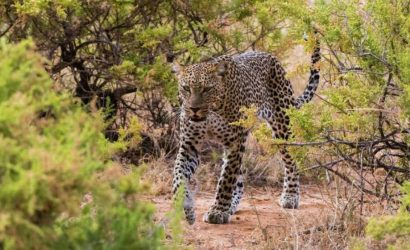
A guided game drive in Nairobi National Park is the best single thing to do in Nairobi. It is a real safari park on the edge of the city, where lions, rhinos, buffalo, giraffe and zebra roam with skyscrapers on the horizon. A half-day is enough to see most of what a longer safari offers.
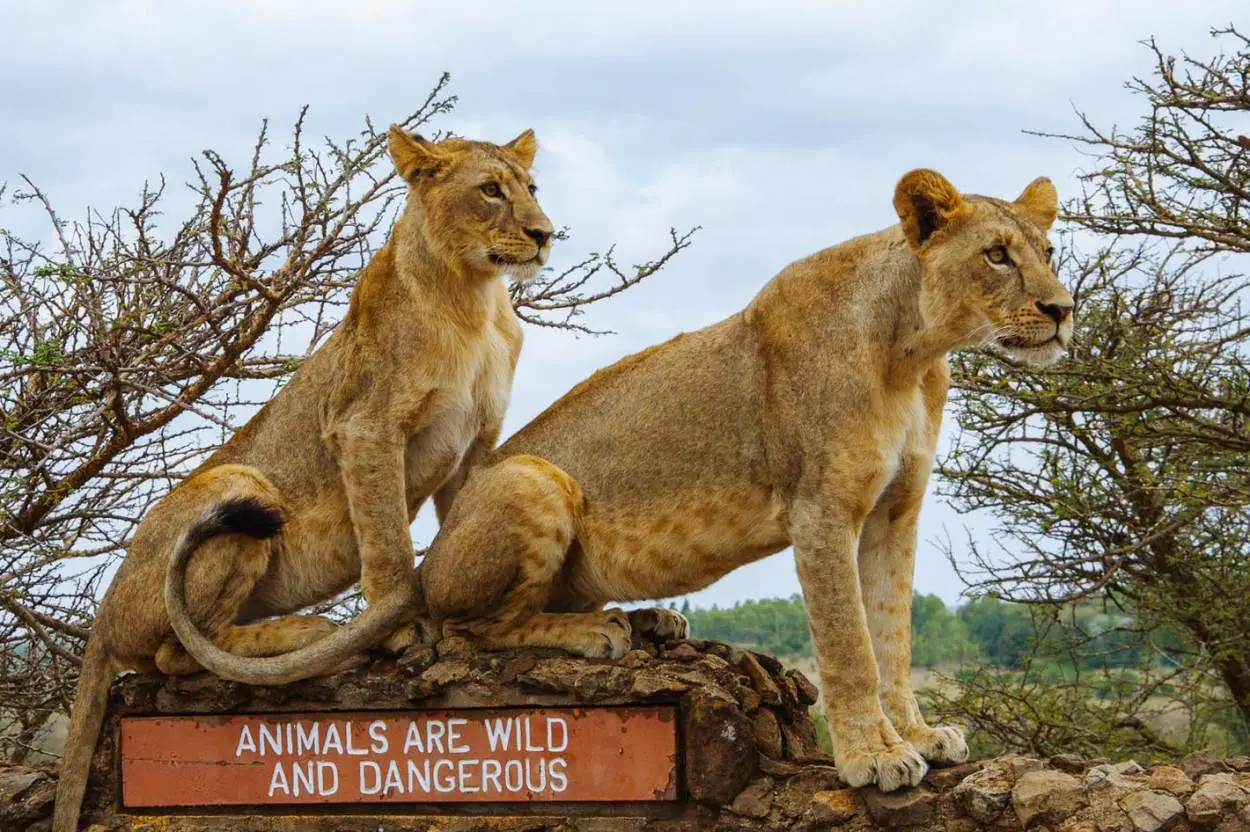
Nairobi National Park gives you a genuine safari before lunch and a city dinner the same evening.
What to expect
The park covers roughly 45 square miles and sits just south of the center. It is one of the few places in Africa where you watch lions hunt in front of a skyline. Black rhino sightings are a highlight, and the park is one of the better places in Kenya to see them. You also have good odds of buffalo, giraffe, zebra, hippo, eland, hartebeest and gazelles, and cheetah turn up too.
Elephants are not resident here, which is why the orphanage in item 2 pairs so well with a game drive. Start as early as you can. Gates open at 6 am, and animals are most active in the cool early hours before they settle into the shade. Choose a 4×4 or a minibus with a pop-up roof, because ordinary cars struggle on the park’s rough tracks and give you a poor view.
Practical details
Our Nairobi National Park Day Tour is a guided half-day with a four-hour game drive. We collect you from your hotel at 6:00 am, and the whole outing runs four to five hours. Park fees, private transport, a professional guide, drinking water and hotel drop-off are included. Tips, lunch, personal items and any government increase in taxes or park fees are not.
- Cost: Park gate fees alone are around $80 per adult for non-residents in recent listings, so an all-inclusive tour should be judged against that. Contact us for a quote.
- Time needed: 4 to 5 hours.
- Best for: First-time visitors, short layovers and anyone who wants safari without leaving the city.
2. Sheldrick Wildlife Trust elephant orphanage
The Sheldrick Wildlife Trust Nairobi Elephant Orphanage lets you watch rescued baby elephants during a public visit that runs for about an hour around 11 am each day. It is the most emotional stop on this list and the easiest one to enjoy with children.
Book the elephant orphanage before you book anything else, because its slots are the first to fill.
What to expect
The calves arrive after poaching, habitat loss or human-wildlife conflict has left them orphaned. Keepers raise them for around three years before reintroducing them to wild herds in Tsavo. During the visit, the calves come in for their mud bath and midday milk while a keeper explains each orphan’s story.
The elephants decide how close to come. Some wander up to the rope line and let visitors touch them, while others ignore the crowd. The trust was founded by the late Dame Daphne Sheldrick in memory of her husband David, a ranger at Tsavo. If you want more time with the calves, fostering an orphan costs about $50 a year. Foster parents can usually return in the evening to watch the elephants being put to bed.
Practical details
You now need to reserve a visit in advance through the trust’s website, and slots tend to fill quickly in peak months. Plan the day around the 11 am start. Pair it with a morning game drive, since the orphanage sits next to the Nairobi National Park area.
- Cost: Around $20 for non-resident adults in recent listings. Check the booking page for current rates.
- Time needed: About one hour on site.
- Best for: Families, animal lovers and conservation-minded travelers.
3. Giraffe Centre
The Giraffe Centre in Karen lets you feed endangered Rothschild’s giraffes from a raised platform, so you meet them at eye level. It is open from 9 am to 5 pm every day, and you do not need to book ahead.
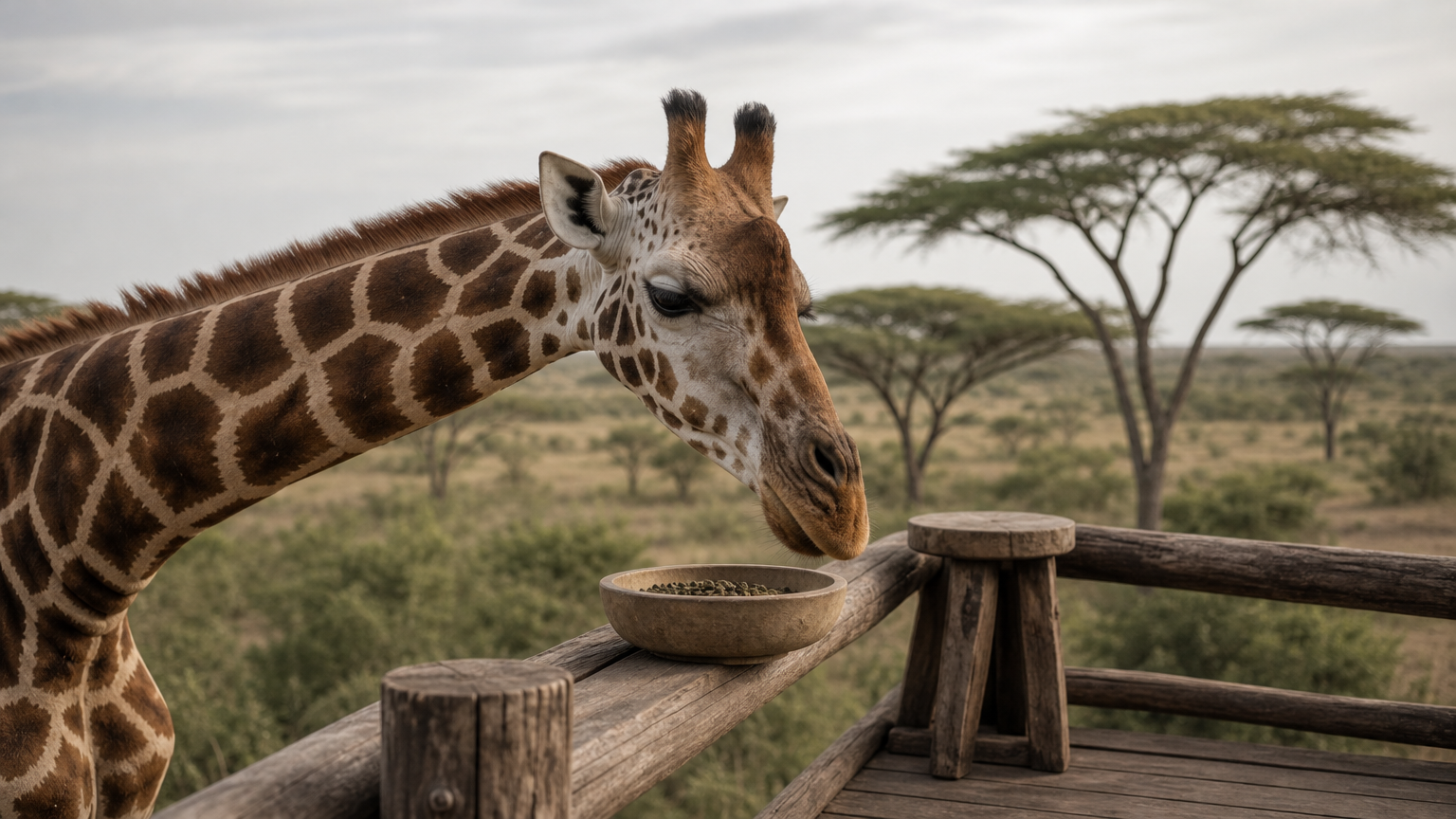
At the Giraffe Centre, you hold out a pellet and a giraffe comes to you.
What to expect
Visitors climb a wooden platform and hand-feed the giraffes with pellets provided at the entrance. The giraffes lean in, and their long tongues are rough and surprisingly gentle. Staff give short, informative talks about the species. The centre runs a breeding program that returns breeding pairs to the wild, which helps counter the decline of this subspecies.
The centre is part of the same sanctuary as Giraffe Manor next door. Staying at the manor, where giraffes poke their heads through breakfast windows, costs around $1,400 per adult per night. The centre gives you most of the same encounter for the price of a ticket. Kids love it, and adults usually end up lingering longer than planned.
Practical details
Arrive in the morning or late afternoon when the giraffes are most likely to be near the platform. Wear closed shoes, because the path can be muddy after rain. You can stay as long as you like, and most people spend under an hour.
- Cost: About $15 for non-resident adults in recent listings. Children and residents pay less.
- Time needed: 45 to 60 minutes.
- Best for: Families, photographers and anyone on a tight budget who wants a close wildlife encounter.
4. Karen Blixen Museum
The Karen Blixen Museum is the former home of the Danish writer who wrote Out of Africa, set at the foot of the Ngong Hills. It is the best history stop in the Karen area and a natural partner for the Giraffe Centre, which is a short drive away.
Visit the Karen Blixen Museum for the story behind the film, and stay for the garden.
What to expect
Guides take you through the farmhouse, where Blixen lived and ran a coffee farm in the early twentieth century. Rooms hold period furniture and personal objects. The tour also covers Kenya’s colonial past, so ask your guide to put the colonial period in context rather than treating the house as a romantic backdrop.
Outside, the grounds are green and quiet, a relief after Nairobi traffic. The Karen Blixen Coffee Garden serves food and coffee on site. Book readers and film fans get the most from the visit, but the setting works for anyone who likes old houses and gardens.
Practical details
Go in the morning or early afternoon and combine it with lunch at the coffee garden. Karen is on the south-west side of Nairobi, so group it with the Giraffe Centre and the elephant orphanage to save time in traffic.
- Cost: A modest entry fee, higher for non-residents. Confirm at the gate.
- Time needed: 60 to 90 minutes.
- Best for: History lovers, readers of Blixen’s work and couples looking for a calm hour.
5. National Museum of Kenya
The National Museum of Kenya is the best rainy-day or heat-of-the-day option in Nairobi. It covers Kenya’s culture, nature, history and art in one site, and the grounds hold several extra attractions.
One ticket to the National Museum covers a lot of Kenyan history in a few hours.
What to expect
Inside, exhibits trace Kenya’s heritage, from wildlife and natural history to the traditions of its communities. If you will be heading on safari, the nature galleries help you recognize animals before you see them in the wild. Art galleries and shops sit within the same compound.
The grounds also hold the Nairobi Snake Park, botanical gardens and a short nature trail. Children usually enjoy the snakes, and the gardens make a calm break between galleries. Allow time for a coffee and a walk outside, because the garden trail turns a museum visit into a half-day.
Practical details
The museum is close to the city center, so it fits easily on a day that also includes KICC or the markets. Visit on a weekday morning for smaller crowds.
- Cost: A moderate entry fee for non-residents. Check the museum’s current rates on arrival.
- Time needed: 2 to 3 hours with the snake park and gardens.
- Best for: Rainy days, families with curious kids and travelers who want context before a safari.
6. KICC rooftop view and Uhuru Park
The Kenyatta International Convention Centre (KICC) gives you the best bird’s-eye view of Nairobi from its rooftop viewing platform. Uhuru Park is a few blocks away, so you can combine both in one outing.
Go up KICC first on a clear day, and you will know the city’s layout before you explore it.
What to expect
A lift carries you up most of the tower, then you climb the final stairs to the helipad on the roof. The view is a full 360 degrees across the central business district, with Nairobi National Park visible beyond on a clear day. You may spot marabou storks gliding past. Sunset is popular with couples and photographers.
Then walk to Uhuru Park, the city’s central green space. On weekends it fills with families, ice cream vendors, children’s rides and paddle boats on the lake. Weekdays are quieter and better for a picnic. Avoid the park after dark and during political rallies, and stick to the busy public areas.
Practical details
Be careful with your camera in the central business district. Photographing government buildings is not allowed, and police have fined people for it. Carry your phone discreetly and ask your guide where photos are fine.
- Cost: Around $5 for the KICC platform in recent listings. You may be asked to leave ID at the desk, so bring it.
- Time needed: 30 to 45 minutes at KICC, plus an hour in Uhuru Park.
- Best for: First-day orientation, photography, picnics and budget travelers.
7. Maasai Market
The Maasai Market is the best place in Nairobi to buy souvenirs directly from makers: beaded jewelry, wood carvings, fabrics, paintings and clothes. It is not one fixed market. It moves to a different spot in the city each day of the week.
Bargain with a smile and a number in mind, and you will leave happy.
What to expect
Dozens of vendors set up small kiosks and crowd the narrow walkways between them. Expect color, noise and sellers calling you over. Go with time to spare and start your offer at about half the asking price, then meet in the middle. Bargaining is expected, but do not fight over the equivalent of a dollar.
Beware of touts who offer to "help" you shop. They often work with the stall owners and push prices up. A few words of Swahili and a friendly manner earn you a better deal. Pack a reusable bag, since Kenya banned single-use plastic bags, and ask permission before photographing stalls or people.
Practical details
Market hours are roughly 8 am to 6 pm. Locations shift, so confirm the day’s spot with your hotel before you set out. The Galleria Mall market runs daily and is calmer if you dislike pressure.
| Day | Typical location |
|---|---|
| Monday | No market |
| Tuesday | Prestige Plaza, Ngong Road |
| Wednesday | Capital Centre, Mombasa Road |
| Thursday | Junction Mall, Ngong Road |
| Friday | Village Market, Gigiri |
| Saturday | High Court car park, city center |
| Sunday | Yaya Centre, Hurlingham |
- Cost: Free to enter. Carry small bills in Kenyan shillings.
- Time needed: 1 to 2 hours.
- Best for: Gift shoppers and anyone who enjoys a lively market.
8. Karura Forest
Karura Forest is the best escape from Nairobi’s traffic, a large urban forest on the northern edge of the city with trails, a waterfall and picnic spots. It suits anyone who wants fresh air and exercise without leaving town.
Karura Forest is where Nairobians go when they need a quiet morning.
What to expect
You can walk, jog or cycle on well-kept trails under tall trees. Horse riding is also offered. The highlight for many is the waterfall, reached on a short, easy walk. Picnic sites are scattered through the forest, and you may share yours with monkeys, so keep food covered.
Karura is looked after by the Friends of Karura community group, and visitors can join tree-planting activities. The forest also feels safe and well organized. Go on a weekday morning for quiet trails, and bring water and insect repellent.
Practical details
Plan on a half-day, with lunch at one of the cafes near the forest’s gates. Stay on marked trails and move in a group if you are not familiar with the area. Ask at the entrance about bike hire and trail maps.
- Cost: A small entry fee, higher for non-residents.
- Time needed: 2 to 4 hours.
- Best for: Walkers, cyclists, families with older children and travelers who want a calm break.
9. Ngong Hills hike
The Ngong Hills are the best active day out near Nairobi, a ridge of seven hills with wide views over the Rift Valley and the city. Walking the full ridge takes four to six hours, but shorter sections are also popular.
Start the Ngong Hills early, because the views are clearest before the clouds build.
What to expect
The trail climbs along a grassy ridge with open views in both directions. On a clear day you can see far across the Rift Valley and back toward Nairobi. A picnic site near the top gives you a place to rest. Wind and sun are strong, so bring layers, sunscreen and a hat.
Plastic bottles are not allowed on the hike, so carry a reusable bottle. Entry is cashless, which means you pay by card or M-Pesa. Walk with a guide or in a group, and ask your operator about ranger escorts. For extra adventure, zip-lining and other activities are offered nearby.
Practical details
Check the weather and go in the dry season when the trail is firmer. Wear proper hiking shoes. Starting at sunrise gives you the best light and the coolest temperatures.
- Cost: Entry was KES 696, around $5, in recent listings.
- Time needed: 4 to 6 hours for the full ridge, less for a partial walk.
- Best for: Hikers, photographers and fit travelers wanting a day outdoors.
10. Hell’s Gate and Lake Naivasha day trip
A day trip to Hell’s Gate National Park and Lake Naivasha is the best outing beyond the city. You cycle through a dramatic gorge landscape in the morning and take a boat on the lake in the afternoon. It works in one long day from Nairobi.
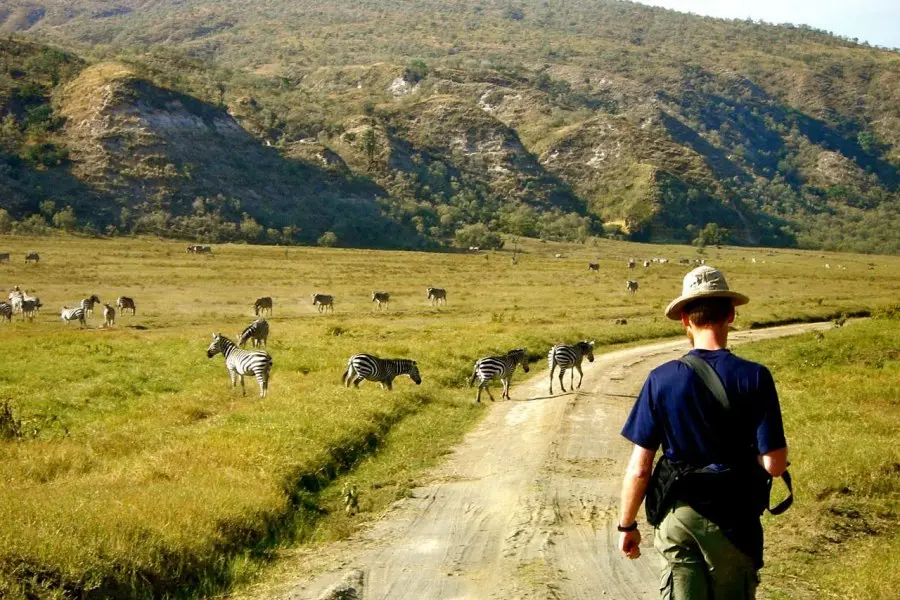
Hell’s Gate lets you cycle past zebra and giraffe, which almost no other Kenyan park allows.
What to expect
Hell’s Gate is one of the few Kenyan parks where you can walk and cycle among grazing wildlife such as zebra, giraffe and buffalo. Red cliffs and a deep gorge make for dramatic scenery. Our trip includes a two-hour biking tour, with bicycle hire covered. You can also drive or walk if you prefer.
Afterward, a one-hour boat ride on Lake Naivasha brings you close to hippos and water birds. The lake is a good place for birders, and the calm water is a welcome change after a morning on the bike.
Practical details
Our Hells Gate National Park & Lake Naivasha Day Trip leaves your Nairobi hotel at 7 am and returns around 6 pm. It includes private transport, the Hell’s Gate entrance fee, a professional guide, bicycle hire and hotel pickup and drop-off. Lunch and tips are not included.
- Cost: The boat ride is an extra charge from US$20 per person. Ask us for the tour price.
- Time needed: A full day, roughly 7 am to 6 pm.
- Best for: Active travelers, birders and anyone with a spare day who wants scenery.
11. Nyama choma and Kenyan food
Eating nyama choma, Kenya’s roasted meat, is the best way to taste Nairobi’s food culture. It usually comes with ugali, a firm maize porridge, and kachumbari, a fresh tomato and onion salad. Plan at least one meal around it.
Order nyama choma at a busy grill, and you are eating the way Nairobians do.
What to expect
Grills serve goat, beef or chicken by weight, cooked over charcoal and cut at the table. You eat with your hands, and ugali is meant to be scooped and shared. For a local feel, try the small restaurants behind the stalls at City Park market, where the grills sit beside fresh produce.
Nairobi also has excellent Ethiopian food, built around injera flatbread and spicy stews. Several hotels serve afternoon tea, usually between 3 and 5 pm, which is a calm, colonial-era habit. Kenyan coffee and tea are worth a stop, so order both and compare.
Practical details
Pick busy places with a steady turnover, and ask before drinking tap water. Daytime grills are the easiest for first-timers. For evenings, use a ride-hailing app rather than walking.
- Cost: Local grills are among the cheapest meals in the city. Hotel afternoon tea costs more.
- Time needed: 1 to 2 hours per meal.
- Best for: Food lovers, groups and anyone who wants a taste of everyday Nairobi.
12. Coffee and tea estates
A coffee or tea estate visit is the best way to see where Kenya’s famous exports grow. Kenya is one of the world’s leading producers of both, and estates within about an hour of Nairobi welcome visitors.
A morning at a tea farm is the slowest, most relaxing thing to do near Nairobi.
What to expect
Fairview Coffee Estate lies around 30 minutes from the center, and Karunguru Coffee Estate around 45 minutes away. Both run tours that follow coffee from cherry to cup and end with a tasting. Tea estates near Limuru offer a different mood, with green slopes and cool air.
At Kiambethu Tea Farm, you arrive around 11 am for tea or coffee and a talk on tea-making. You then walk through indigenous forest where you may see colobus monkeys, and finish with a three-course lunch from the garden. Book ahead, because these visits are small and often private.
Practical details
Plan the day as a half-day outing. Allow for traffic on the way, especially toward Limuru in the morning.
- Cost: Kiambethu was about 4,200 KES per person (roughly $32) in recent listings, with children under 12 at half price.
- Time needed: Half a day including travel.
- Best for: Couples, families, coffee and tea lovers and slow-paced travelers.
How to plan your days in Nairobi
You can see the highlights in two days and most of this list in three. Nairobi traffic is the real limit, so group stops by area instead of crossing the city twice.
Plan one district per half-day, and Nairobi traffic stops being your biggest problem.
Is Nairobi worth visiting, and are 3 days enough?
Yes, Nairobi is worth visiting for its wildlife, its food and its mix of old and new, and three days is enough to cover the main sights. If you are heading on safari, one or two days is the minimum before you fly out to the Mara. With three days, you can add Karura Forest, a museum and a market.
The best season for wildlife is the dry months, from June to October and January to February. Nairobi sits high, so days are mild and evenings can be cool. Pack a light jacket even in the dry season.
A sample three-day plan
Group stops by neighborhood to keep driving short. Use the table to match time to interest.
| Stop | Time needed | Best for |
|---|---|---|
| Nairobi National Park drive | 4 to 5 hours | First-timers |
| Elephant orphanage | 1 hour | Families |
| Giraffe Centre | 45 to 60 minutes | Kids |
| Karen Blixen Museum | 60 to 90 minutes | History |
| National Museum | 2 to 3 hours | Rainy days |
| KICC and Uhuru Park | 1.5 hours | Orientation |
| Maasai Market | 1 to 2 hours | Shopping |
| Karura Forest | 2 to 4 hours | Walkers |
| Ngong Hills | 4 to 6 hours | Hikers |
| Hell’s Gate and Naivasha | Full day | Active travelers |
| Nyama choma | 1 to 2 hours | Food lovers |
| Coffee or tea estate | Half day | Couples |
A strong first day is a 6 am game drive, the 11 am elephant visit and the Giraffe Centre in the afternoon. For two adults, entry to the orphanage ($20 each) and the Giraffe Centre (about $15 each) comes to $70 before transport and lunch. Day two can cover the city, with KICC, the museum and the market. Day three can be a full outing to Hell’s Gate or Ngong Hills.
Safety, etiquette and night plans
Nairobi is safe for visitors who take sensible steps. Use ride-hailing apps for evenings, keep valuables out of sight and avoid walking in the center after dark. Do not photograph government buildings. Ask before photographing people, and bring a reusable bag for shopping. Check entry requirements early, since Kenya uses an online travel authorization for most visitors. We also strongly recommend travel insurance.
For nightlife, Nairobi has rooftop bars, live music and clubs, and the safest approach is to go with a group and arrange a return ride. With children, the orphanage, the Giraffe Centre and the Snake Park are the easiest wins. For low-cost options, try Uhuru Park, a market stroll and a local grill.
Make the most of your Nairobi days
The best things to do in Nairobi combine one wildlife morning, a few cultural stops and good food, all grouped by neighborhood. Start with the game drive and the elephant orphanage, add Karen and the city sights, and save a full day for Hell’s Gate or Ngong Hills if you have it.
Book the orphanage ahead, start early and keep a day for slow things like tea estates. Nairobi rewards those who plan around its traffic rather than fight it.
If you want help, talk to Laxa Trails Safaris about a Nairobi day tour. We can arrange the Nairobi National Park game drive or the Hell’s Gate and Lake Naivasha day trip, or build a custom itinerary around your dates.