7 Best Tanzania and Kenya Safari Packages: Prices Compared
The best Tanzania and Kenya safari packages link the Masai Mara and the Serengeti in one trip of 6 to 10 days, with park fees, a 4×4 with a pop-up roof and a driver-guide built into the price. If you want the migration in a short window, choose a private 6 or 8-day route like the first two below. If budget matters most, a 7-day shared camping departure costs far less per day. Honeymooners should look at luxury 7 to 8-day trips, and anyone with two or three weeks should consider the Zanzibar and small-group options.
The hard part is comparing them. Prices are quoted per person, per trip or per day, and some include park fees while others do not. Two trips with the same name can differ in vehicle, camp quality and nights per park. The border adds confusion too, because on many routes you change vehicle and driver when you cross from Kenya into Tanzania.
This guide sets out seven package formats with the route, the inclusions, who each suits and what it costs. It then compares them side by side and covers timing, visas and booking. Laxa Trails Safaris is a Kenya-based company founded in 2019 by a guide with more than 14 years in the field, so the first two items are our own packages. The other five are formats you will find across the market, with published price ranges.
1. 6-day Mara, Serengeti and Ngorongoro migration safari
Our 6-day Masai Mara, Serengeti and Ngorongoro migration safari is the shortest package here that puts both famous ecosystems and the crater into one trip. It is built around guided game drives and timed for the wildebeest migration.
Itinerary and pace
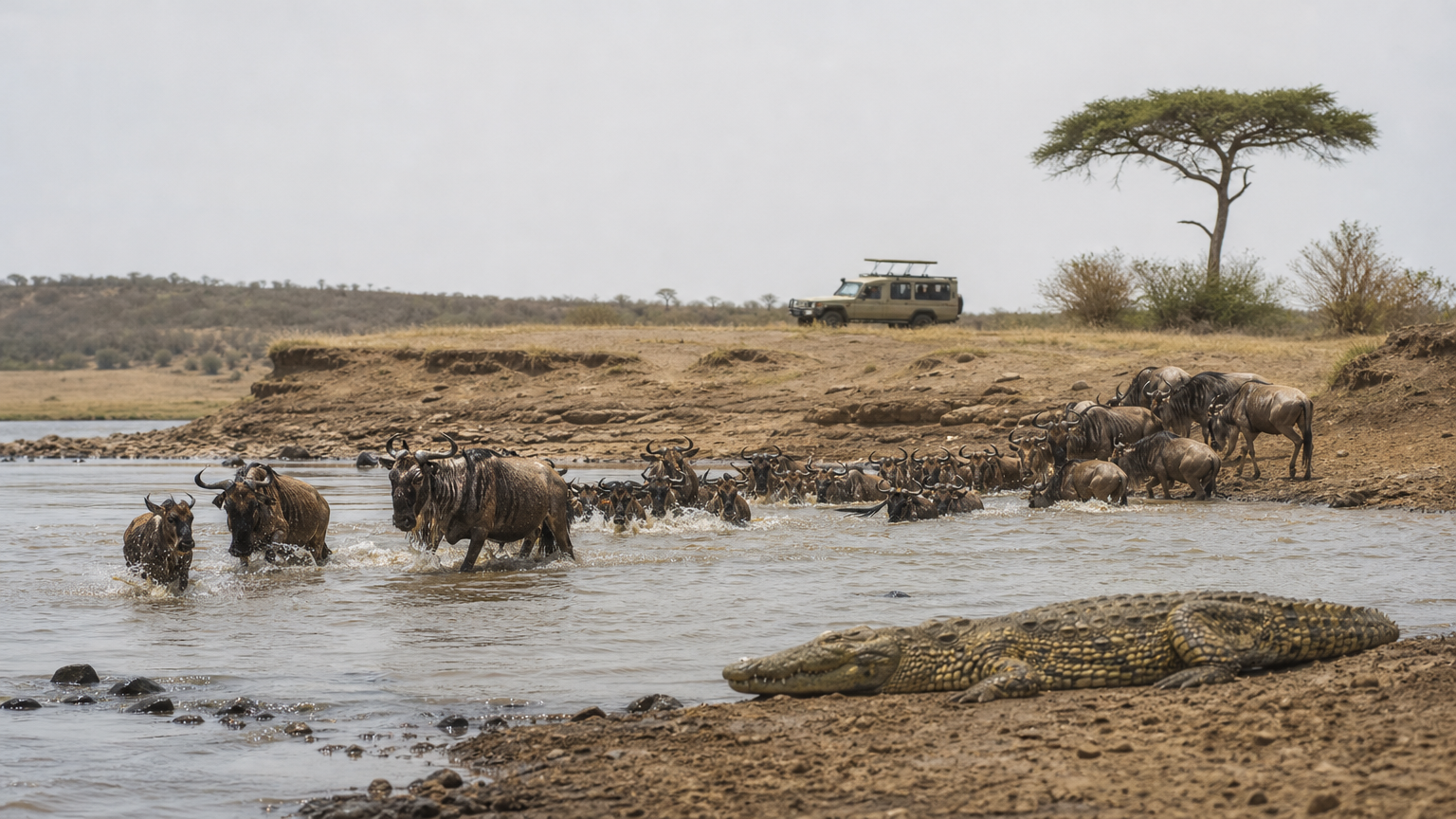
The route runs from the Masai Mara in Kenya into the Serengeti in Tanzania and finishes at the Ngorongoro Crater. Game drives are included throughout, led by an English-speaking driver-guide in a 4×4 Land Cruiser customized for game viewing. The herds usually reach the Mara between July and September, which is when this route earns its migration label.
Six days is tight, so set your expectations. The border handover and the long transfers between parks eat into viewing time, so you get fewer full game-drive days than the headline suggests. Ask your consultant for the exact nights in each park. Also confirm where the trip ends, because the crater is a drive away from Arusha and a same-day flight home is risky.
Six days covers the Mara, the Serengeti and the crater, but only if you accept three parks and no extras.
What is included
The package covers the items that most often get left out of cheaper quotes:
- Transport in a 4×4 Land Cruiser customized for game viewing
- An English-speaking driver-guide
- Lodge or camp accommodation
- Meals on a full-board basis while on safari
- All park entrance fees
- Mineral water
You pay separately for international airfares and visa fees, soft and alcoholic drinks, and tips for your guide and camp staff.
Who it suits and what it costs
This is the package for travelers who want the migration, the Serengeti and the crater in about a week and do not need beach time or extra parks. Couples, families and small groups fit well, since most of our safaris run privately with a minimum of two people.
Request a quote and one of our experienced Tour Consultants will get back to you with details. Send your travel month with your enquiry.
2. 8-day Mara, Manyara, Ngorongoro and Serengeti safari
Our 8-day safari is the better choice when you want the same Mara-to-Serengeti link with a slower pace and one extra park. It starts in the Masai Mara, moves through Lake Manyara National Park and the Ngorongoro Crater, then finishes in the Serengeti and ends in Arusha.
Itinerary and pace
The order matters here. You cover Lake Manyara and the crater before the Serengeti, so the longest stretch of open plains comes last. Lake Manyara adds a lake and forest setting, with birds and primates that you will not see on the open grasslands. Two more days than the 6-day trip means fewer rushed mornings and more time at each sighting.
The trip ends in Arusha, so book an open-jaw flight: into Nairobi, out of Tanzania. Airlines usually price multi-city tickets close to a standard return, and you avoid a day of backtracking. Confirm the day-by-day plan with a consultant when you request your quote.
An open-jaw ticket, into Nairobi and out of Tanzania, saves a full travel day on any one-way route.
What is included
Inclusions match the 6-day trip: a Land Cruiser customized for game viewing, an English-speaking driver-guide, lodge or camp accommodation, full-board meals, all park entrance fees and mineral water. Four things sit outside the price:
- International airfares
- Visa fees
- Soft and alcoholic drinks
- Tips and other gratuities
Who it suits and what it costs
First-time visitors with eight days tend to enjoy this route most, because it gives four distinct settings instead of three. Families benefit from the extra rest days between long drives. Couples who want to see a lot without ending the trip exhausted fit it well too.
Cost depends on the season and on whether you choose lodges or tented camps. The comparison table later in this guide shows what 8-day private routes sell for across the market, which gives you a sanity check on any quote you receive.
3. 7-day budget group safari with camping
A 7-day shared departure is the cheapest way to see the Mara and the Serengeti on one ticket. One published example runs from Nairobi through the Masai Mara, the Serengeti and the Ngorongoro Highlands and Crater, and ends in Arusha. It costs $1,340 per person in a shared vehicle capped at seven people, with camping and tented camp accommodation.
Itinerary and pace
Group departures follow a fixed schedule. You travel with other guests, so the pace is set by the group, not by you. Expect early starts and long road days. Game drives still happen in the best light, but you cannot linger at a leopard sighting for an hour if half the vehicle wants to move on.
Dates are fixed too. If your trip falls in July to September, book months ahead, since shared departures fill first in the migration season.
What is included
Budget packages differ more than their prices suggest. Before you pay a deposit, confirm these points:
- Park fees are in the price, not an add-on
- The vehicle cap, and whether every guest gets a window seat
- Tent type and who supplies bedding and gear
- Meal count, and whether drinks beyond water cost extra
- Where the group departure begins and ends
Who it suits and what it costs
Solo travelers, backpackers and budget-minded couples get the most from this format. At roughly $190 per person per day, it costs about two-thirds of what a typical private local-operator trip starts at, which is around $280 per day.
The trade is comfort and control. You sleep in simpler camps and share a vehicle. If you are traveling as a couple and the savings are small, a private mid-range trip is often worth the difference.
A shared camping departure costs roughly $190 per day, and you pay for it in flexibility, not in wildlife.
4. 7 to 8-day luxury private safari
Luxury private packages cost roughly $595 to $910 per person per day, and they buy privacy, better camps and often a flight between parks. Published examples include a 7-day honeymoon route at $4,163 per person and an 8-day luxury trip from $5,366 to $7,279 per person.
Itinerary and pace
Routes usually follow Nairobi, the Masai Mara, the Serengeti (often a central Serengeti camp), the Ngorongoro Crater and a finish in Tarangire or Arusha. Luxury trips tend to place you in smaller camps with prime locations, such as near the Mara River during the migration. That keeps drive time to the gate short.
Flights between parks are common at this level. They typically cost around $300 per person per flight and can reach $500, and crossing the border by air usually means two flights and an immigration stop in between. Check whether the quoted price includes them.
What is included
Look for these items in a luxury quote:
- A private vehicle and driver-guide, not shared with other guests
- Full-board stays at luxury lodges or tented camps
- Park and concession fees
- Internal flights, if the route uses them
- A photographic vehicle with dropped sides, if you want one
Lodges at this tier range from about $400 per person per night to $3,000 at the very top. Drinks beyond water, tips and international flights are usually extra.
Who it suits and what it costs
Honeymooners, anniversary trips and serious photographers are the natural fit. A private guide who lets you wait two hours for a cheetah to move changes what you bring home.
The price range is wide because camp choice drives the total. A 7-day trip at the low end and an 8-day trip at the high end differ by more than $3,000 per person. Pick the camp tier first, then fit the route around it.
5. 10-day classic Kenya and Tanzania circuit
A 10-day circuit is the sweet spot for first-time visitors who can take about two weeks off. One published private 10-day route is listed at $6,050 per person, which works out to roughly $605 per day.
Itinerary and pace
Ten days allows two nights or more in most parks. A typical Kenya side adds Lake Nakuru or Amboseli to the Masai Mara, and the Tanzania side adds Tarangire or Lake Manyara to the Serengeti and the crater. Amboseli gives you elephant herds with Mount Kilimanjaro behind them, which is a different kind of safari day from the Mara plains.
This is also the length where the Big Five becomes realistic. Rhinos are the hard one in the Mara and the Serengeti, so a route that includes Lake Nakuru or Ol Pejeta improves your odds a lot.
What is included
Standard inclusions on a private 10-day circuit are the driver-guide, full-board lodging, vehicle and fuel, and park fees. Ask these specific questions:
- Which park pairs does the route include, and how many nights in each?
- Is the Amboseli or Nakuru leg driven or flown?
- Does the price include border-crossing support and the vehicle swap?
- Which meals and drinks are covered?
Who it suits and what it costs
First-time safari travelers, couples and families with older children get the most from this format. It is long enough to feel unhurried, and short enough to fit one work-leave block.
Prices span a wide range, from simpler mid-range versions to the roughly $6,000 example. The main variable is accommodation tier, and mid-range camps sit between $200 and $400 per person per night.
Ten days is the first length where you stop counting hours and start counting sightings.
6. 13-day safari with Zanzibar beach extension
A 13-day package adds a beach finish to the classic route. Published examples run from $6,188 to $7,639 per person, or about $476 to $588 per day, on a private mid-range trip from Nairobi through Lake Nakuru, the Masai Mara, the Serengeti, the Ngorongoro Crater and Lake Manyara, ending in Zanzibar.
Itinerary and pace
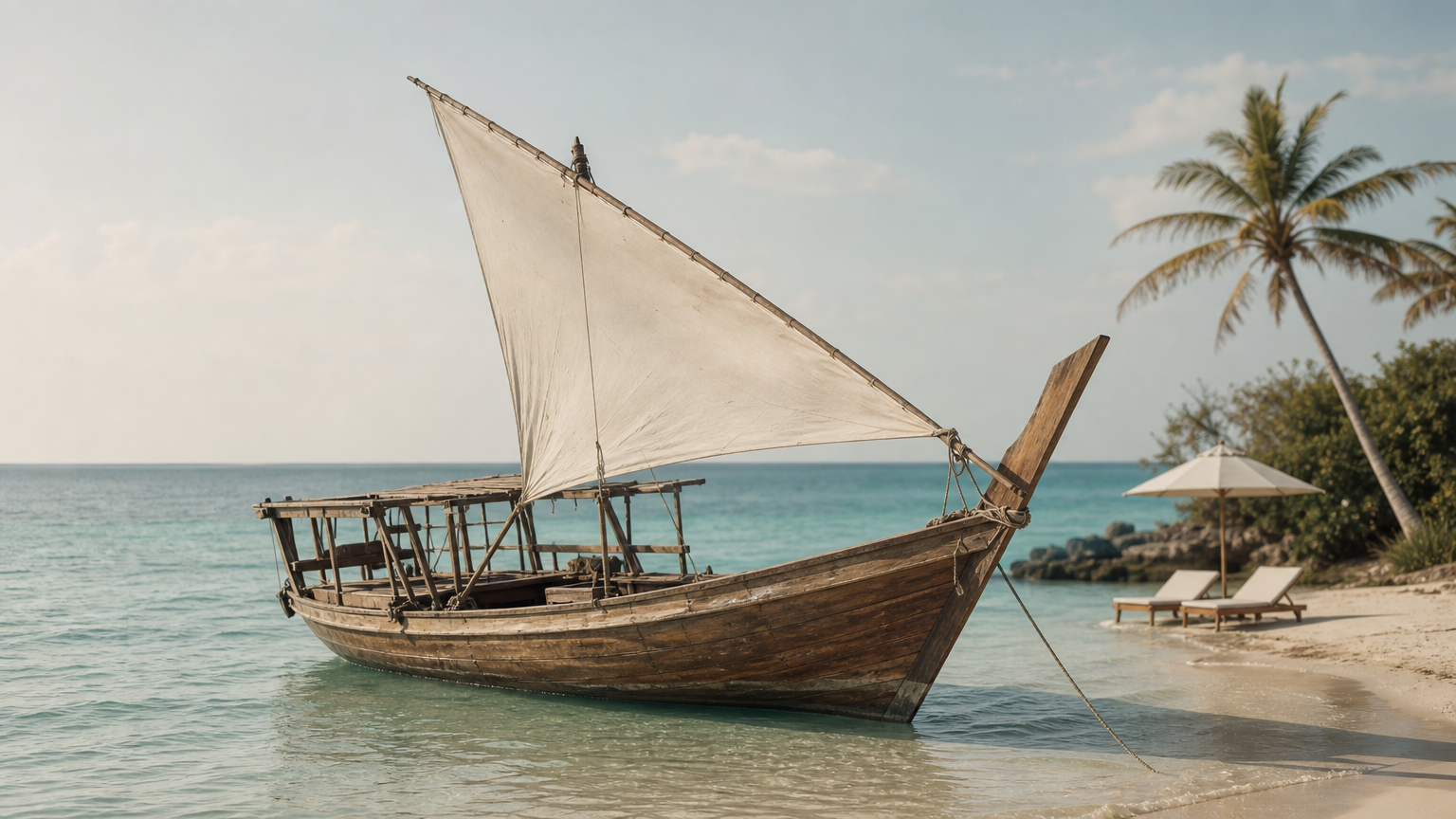
The safari part lasts about nine or ten days. The final days are for rest, which many travelers find is the best use of a long trip. After days of dust and early alarms, beach days at the end reset your energy before the flight home.
The coast works year-round, although rain is more likely from November to April or May. Even in those months it stays warm enough for the beach.
What is included
Confirm these points in the quote:
- Whether the flight from Arusha to Zanzibar is included
- How many beach nights are included, and the hotel category
- Airport transfers on the island
- Park fees and full board on the safari leg
Who it suits and what it costs
Honeymooners are the obvious audience, but families benefit as well. Children cope better with long safari days when a pool and a beach follow. Travelers who dislike long drives should also consider this format, because the final stretch is flying and sand.
Per-day pricing is lower than luxury safari trips because beach days cost less than premium camps. That makes a 13-day trip cheaper per day than the 8-day luxury route, even though the total is higher.
7. 20-day small-group expedition
A 20-day small-group expedition is the deepest way to see both countries. One published example costs $10,124 to $12,711 per person, which is roughly $506 to $636 per day, with a maximum of six people per vehicle and luxury lodging.
Itinerary and pace
The route is long enough to add northern and central Kenya before the main circuit. A typical sequence includes Samburu, Ol Pejeta Conservancy, Lake Nakuru and the Masai Mara in Kenya, then the Serengeti, Ngorongoro Crater and Tarangire in Tanzania, with Amboseli at the end. Samburu has species that southern parks lack, and Ol Pejeta is the most reliable place on the route for rhinos.
With 20 days you rarely repeat a habitat. The pace stays moderate, with a night or two in each park and a full day for the Serengeti.
What is included
A small-group expedition at this price usually covers:
- Luxury lodges or tented camps for the whole route
- A vehicle shared by no more than six guests
- Park and conservancy fees
- Full-board meals and an experienced guide
International flights, visas and tips are normally separate. A shorter 21-day mid-range private route with a beach finish lists at $11,349 to $12,137 per person, which is a useful comparison.
Who it suits and what it costs
Photographers, retirees and wildlife enthusiasts who want to see as much as possible are the audience. You also meet like-minded travelers, which some people prefer to a private couple-only trip.
The cost per day is moderate for the quality, because a group shares the vehicle and guide. The total is high because of length. Treat it as a once-in-a-decade trip and book early.
Twenty days costs about as much per day as a mid-range private week, because the group shares the vehicle.
Seven packages compared side by side
The table below puts the seven formats next to each other so you can see how Kenya & Tanzania safari packages stack up by length and price. The Laxa packages have no published price here, and the other prices are published per-person figures from operator listings, so treat them as market ranges, not guarantees.
The price comparison table
| Package format | Length | Style | Price per person (USD) | Per day |
|---|---|---|---|---|
| 1. Laxa Mara, Serengeti and Ngorongoro migration | 6 days | Private, lodge or camp | Quote on request | Quote |
| 2. Laxa Mara, Manyara, Ngorongoro and Serengeti | 8 days | Private, lodge or camp | Quote on request | Quote |
| 3. Budget group with camping | 7 days | Shared, camping and tented camp | $1,340 | $191 |
| 4. Luxury private | 7 to 8 days | Private, luxury | $4,163 to $7,279 | $595 to $910 |
| 5. Classic circuit | 10 days | Private, upper mid-range | $6,050 | $605 |
| 6. Safari plus Zanzibar | 13 days | Private, mid-range | $6,188 to $7,639 | $476 to $588 |
| 7. Small-group expedition | 20 days | Shared, max 6 per vehicle, luxury | $10,124 to $12,711 | $506 to $636 |
| Market reference: mid-range private | 6 to 8 days | Private, lodge and tented camp | $2,194 to $5,653 | $366 to $707 |
How to read the figures
Compare per-day numbers, not totals. A 20-day trip at $10,124 sounds expensive until you see it costs less per day than a luxury week. Also check what sits inside each price. A cheap quote that leaves out park fees is not cheaper.
The mid-range reference row shows how wide the band is. The gap between $2,194 and $5,653 comes almost entirely from camp quality and season, not from the route. Use that row to test any private quote for the best Kenya and Tanzania safari packages in your budget.
Compare per-day prices and inclusions, never headline totals.
What drives the price of a combined safari
Four things set the price of a Kenya and Tanzania safari: park fees, accommodation tier, season and how you move between parks. Daily rates run roughly $150 to $300 per person for budget trips, $450 to $700 for mid-range and $500 to over $1,000 for luxury, depending on the operator.
Park fees and season
Park fees are the largest fixed cost, and they are the same whether you drive yourself or book a tour. Recent published figures put the Masai Mara at $200 plus 18% tax per person per day in peak season (July to December) and $100 in low season. In the Serengeti, a night in the park totals $153.40 per person once the concession fee and tax are added. Fees change, so confirm current rates before you compare quotes.
Season moves the whole price. Peak months can double park fees, and lodges drop their rates by up to 30% in quiet periods. Kenya was once the cheaper country, but recent fee increases have made the two close to identical.
Accommodation, vehicle and flights
Accommodation comes next. Budget tented camps cost $50 to $150 per person per night, mid-range camps $200 to $400, and luxury lodges from $400 to as much as $3,000. Our own packages use basic camping, luxury tented camps or lodges, depending on the budget you set.
The vehicle matters as well. In Kenya a minivan costs less than a Land Cruiser, and in Tanzania a Land Cruiser is the only option. Flights between parks typically cost around $300 per person per flight, so a road transfer in the same vehicle is the cheap option.
A worked example for two travelers
Take two travelers booking an 8-day private mid-range safari at the published range of $3,664 to $5,653 per person. The safari total is $7,328 to $11,306 for two. Add Tanzanian visas at $100 each for two U.S. passports (the multiple-entry visa Americans must take), and the total before flights, tips and insurance is $7,528 to $11,506.
That is the number to compare against any quote, because international flights come on top. Fares vary too much to estimate here, so price them separately.
Park fees, camp tier and season set the price; the route name hardly matters.
The best time to book a Kenya and Tanzania safari
The best time for a combined safari is June to October, the dry season. Animals gather at shrinking water sources, skies are clear and rain rarely interrupts a game drive. The wildebeest crossings at the Mara River peak from mid-July to mid-September.
Month-by-month guide
| Months | Conditions | Best for | Price level |
|---|---|---|---|
| January to February | Warm, short dry spell, green plains | Calving in the southern Serengeti, newborn animals | Moderate to high |
| March to May | Long rains, lush and wet | Lower prices, quiet parks | Lowest |
| June | Dry, clear | Good viewing before the peak | Rising |
| July to September | Dry, busiest | Mara River crossings, peak wildlife | Highest |
| October | Dry, tapering | Good viewing, fewer crowds | High |
| November to December | Short rains, often brief | Birding, green scenery | Moderate |
Birders should aim for November to April, when migratory species fill the parks. If you want beach time, the coast stays warm all year.
Migration or calving
If you can only choose one wildlife event, pick the Mara River crossings for drama. They run from July to October, with mid-July to mid-September the most reliable window. Book 6 to 9 months ahead for those dates.
The alternative is calving season in the southern Serengeti, around mid-January to late February. Thousands of calves are born each day, and predators gather to hunt. Crowds are smaller and prices lower than in August. So the answer to the best month question is August or September for the crossings, and January or February for calves and value.
August and September win for the crossings, and January and February win for calves and lower prices.
Border, visas, health and packing basics
Most travelers handle border crossings, visas and packing in one planning evening. The border change is routine when your operator manages it, and the paperwork takes a few weeks to a couple of months.
How the border crossing works
You can cross by road or by air. On many routes, operators licensed in one country cannot run safaris in the other. You switch vehicle and driver at the border, and your company coordinates with a partner on the other side. At a land border, bring your passport, visa or eTA and any health certificate your travel clinic advises.
Flying from the Mara to the Serengeti usually takes two flights, with an immigration stop in between. A road crossing between the two reserves takes around 10 hours, while flying cuts the trip to roughly 3 hours including airport time. Ask every operator how the handover works.
Visas and health
Kenya replaced visas with an Electronic Travel Authorisation (eTA) for most visitors in 2024, and you apply online before travel. Tanzania offers an e-visa as well as visas on arrival. The usual fee is $50 for a single entry, and U.S. citizens must take the $100 multiple-entry visa. Apply for e-visas one to two months before departure, and confirm current rules on the official government sites.
Vaccine requirements, including yellow fever, depend on where you have traveled, so see a travel clinic 6 to 8 weeks before departure. Antimalarial medication is strongly recommended in safari areas. Also check the current U.S. State Department travel advisories for both countries before you pay a deposit. Buy travel insurance that covers medical evacuation.
What to pack and wear
Wear neutral colors such as khaki, olive and beige. Avoid bright white, which shows dust within an hour, and avoid dark blue and black, which attract tsetse flies in some parks. Pack layers, because mornings are cool and afternoons are hot.
Bring a wide-brimmed hat, sunscreen, insect repellent and binoculars. For photography, a telephoto lens of 200 to 300 mm is the practical minimum, plus spare batteries and memory cards.
Neutral colors, layers and a visa applied for early cover most of what can go wrong.
How to book a safari that crosses the border
Book a Kenya and Tanzania safari by requesting quotes from two or three operators for the same dates, comparing inclusions line by line, and paying a deposit once you are happy with the itinerary. The process takes a few days, and it is easy to follow.
Steps from quote to confirmation
- Choose your travel month, group size and comfort level.
- Request quotes for the same route and dates from each company.
- Compare park fees, vehicle type, meals and drinks, and the border handover.
- Ask about the maximum vehicle load and window seats.
- Confirm the itinerary, then pay the deposit.
- Pay the balance before the deadline and arrange insurance and visas.
At Laxa Trails Safaris, enquiries are answered by an experienced Tour Consultant. A 50 to 60% deposit by wire transfer confirms a booking. The balance is due at least 30 days before departure, or you can pay it in cash US dollars on arrival. We recommend not more than seven people per vehicle so everyone has a window seat, and we strongly recommend travel insurance.
Local operator or overseas agent
A local operator is generally cheaper than an overseas travel agent. Agents add a markup and hand the trip to a local company, so the experience is similar but the price is higher. The benefit of an agent is financial protection in some countries if the company fails before your trip.
If you book direct, pay the deposit by credit card where you can, buy interruption cover and read independent reviews. Look at sites such as Tripadvisor and Google, not just the testimonials on the operator’s own page. Reliable local operators let you pay the balance close to the departure date, which limits your risk.
A local operator costs less than an agent, and independent reviews tell you which one to trust.
Choosing your package
Pick the package by trip length and comfort level, not by the length of the park list. Six or eight days private gets you the Mara, the Serengeti and the crater. A shared 7-day camping trip saves money, luxury adds privacy, and 10 to 20 days adds depth, rhinos and a beach.
Compare per-day prices, check that park fees are included, and ask how the border handover works. Aim for the dry season if viewing matters most, or January and February if calves and lower prices appeal. When you are ready, request a quote from Laxa Trails Safaris with your dates and group size, and a consultant will build the route around you.