Nairobi National Park Entry Fee: What You’ll Actually Pay
The Nairobi National Park entry fee depends on who you are and when you visit. East African citizens pay KES 1,000 per adult in high season and KES 600 in the off-season. Kenya residents pay about KES 1,350, and non-resident adults pay about USD 80. The fee is charged per person for each day you enter, and you pay it online through the Kenya Wildlife Service (KWS) eCitizen portal, not in cash at the gate.
An entry fee is the conservation charge KWS collects from every visitor to a protected area. It funds ranger patrols, road upkeep and wildlife management. It is not the whole bill. Vehicle charges, payment-gateway fees and any guide or tour cost sit on top, and that is where many visitors get surprised.
This guide explains how the fee categories work, what each category pays, and how to pay step by step. It also covers the extra charges and how the fee fits into a self-drive or guided visit. Laxa Trails Safaris is a Kenya-based company that runs guided game drives in the park.
Why your visitor category and season set the price
Your category and the travel season decide the fee because KWS runs a tiered tariff. It charges non-residents the most, residents and citizens far less, and sets different rates for high and low season. A visit that costs one traveler KES 600 can cost another USD 80.
The visitor categories KWS uses
KWS sorts visitors into East African citizens, Kenya residents and non-residents. A citizen holds a passport from Kenya, Uganda, Tanzania or another East African Community state. A resident is a foreigner living in Kenya with a valid work permit or residence pass. Everyone else, including tourists on a visa, is a non-resident.
Children and students pay reduced rates. Child tickets are usually for under-12s, and student tickets need a valid student ID. The portal shows the exact discount for each group at checkout, so pick the right category before you pay. A wrong category can mean being turned away or asked to pay the difference at the gate.
Current Nairobi National Park entry fee rates
The table below shows the published adult rates at the time of writing. KWS changes tariffs by official notice, so treat the portal total as the final word.
| Visitor category | Adult rate | Notes |
|---|---|---|
| East African citizen | KES 1,000 (high season), KES 600 (off-season) | Raised from KES 430 in October 2025 |
| Kenya resident | KES 1,350 | Valid residence document needed |
| Non-resident | USD 80 | Older schedules listed USD 45 in low season |
| Child (non-resident) | Lower than adult | An older low-season schedule listed USD 23 |
| Student | Discounted | Valid student ID required |
Free entry is not a standard offer. KWS may announce promotions or special-day access, so check its official channels before assuming a discount.
Pick your category first, because the same park day can cost KES 600 or USD 80 depending on it.
A worked example for two adults
Say two non-resident adults visit together. At USD 80 each, the entry fee is USD 160. A 5% gateway fee adds USD 8, so the total is USD 168 before any vehicle charge.
Two East African citizens visiting in high season pay KES 2,000, or about KES 2,100 with the gateway fee. In the off-season they pay KES 1,200, or about KES 1,260. Add the vehicle fee on top if you drive in.
How to pay the entry fee online
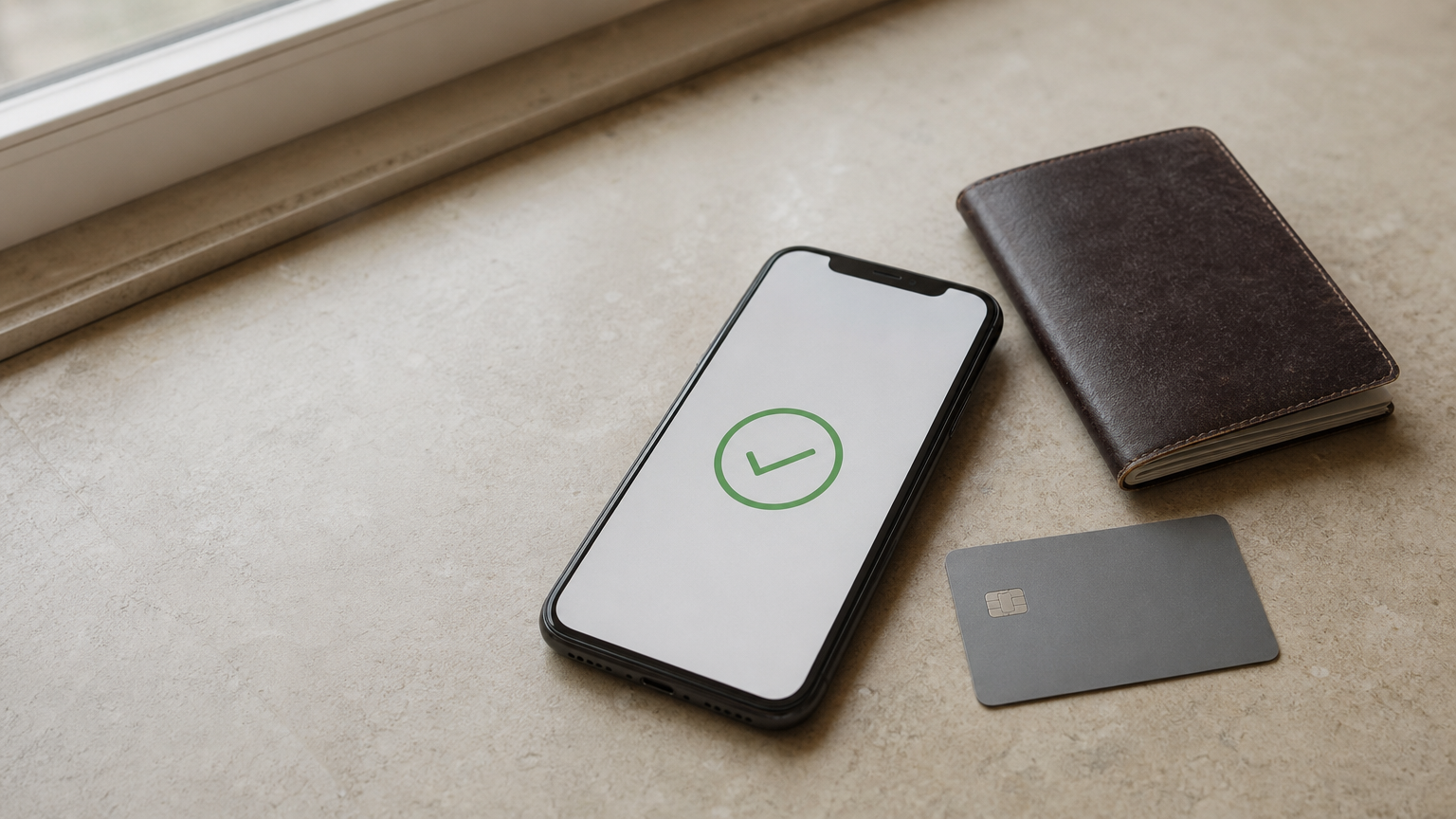
You pay the Nairobi National Park entry fee on the KWS payment page of the eCitizen portal (kwspay.ecitizen.go.ke), before you reach the gate. The park runs on cashless payment, so do not plan to hand over money at the entrance.
Paying step by step
Allow ten minutes, and do it the day before if your signal is patchy near the park.
- Open the KWS payment page on eCitizen and choose Nairobi National Park.
- Select your visitor category and the number of adults and children.
- Enter your visit date and add your vehicle if you are driving in.
- Check the total, which includes the gateway fee.
- Pay by M-Pesa or bank card.
- Save the confirmation on your phone, and print it if you like.
Pay online before you leave, because the gate is not the place to sort out payment.
What to have ready on the day
Carry the passport or ID that matches your category. Citizens and residents are the most likely to be asked for it, and students need their student card. Keep the payment confirmation open on your phone with the screen brightness up.
If a payment fails, check whether your bank has deducted the money before you pay again. Mobile networks near the park edge can be slow, so a saved confirmation is worth having. Starting early helps too, because the gate opens at first light and the best game viewing is in the morning.
Extra charges that add to the total
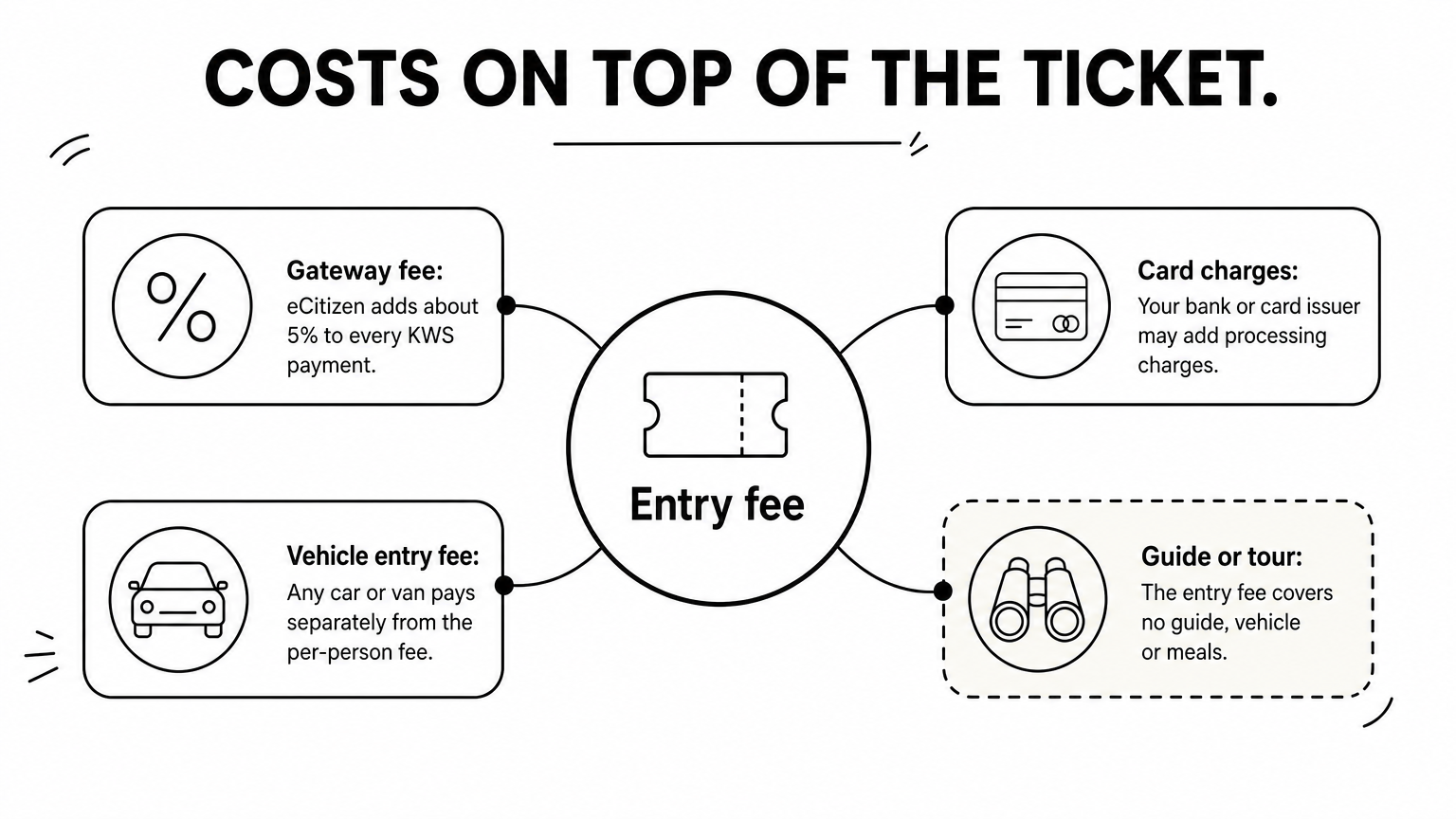
The ticket price is only part of the cost. Gateway fees, vehicle charges and guide or tour costs all come on top, and together they can add a quarter or more to a budget visit.
Gateway, card and vehicle charges
eCitizen adds a gateway fee of about 5% to KWS payments. Card payments can carry processing charges from your bank or card issuer, and foreign cards sometimes cost more. M-Pesa is usually the simpler route for people with a Kenyan line.
A vehicle entry fee applies to any car or van you bring into the park. It is charged separately from the per-person fee, and the portal shows the amount for your vehicle type. Rental cars and private cars are charged the same way.
Guides, tours and things the fee never covers
The entry fee gets you into the park and nothing else. It does not cover a driver or guide, a game-viewing vehicle or meals. Here is what to budget for:
- A guide or driver-guide if you do not self-drive
- Transport to and from the park gate
- Lunch or snacks, since there is no included meal
- Tips for your guide and driver
- Park entry to other attractions you add, such as the Giraffe Centre or Elephant Orphanage, which have their own tickets
Count the entry fee as the floor of your budget, not the total.
Self-drive, tour van or private day tour
You can visit Nairobi National Park without a guide, since self-drive is allowed. A guide earns their cost by finding animals faster and keeping you on the right tracks. The better option depends on your time and how much wildlife you want to see.
Can you visit without a guide?
Yes, you can drive yourself in a car with decent ground clearance, and the park roads are mostly manageable in dry weather. After rain, some murram tracks turn slippery, so check conditions with the gate staff. Self-driving suits repeat visitors who already know the loops and the likely rhino areas.
For a first visit, a guide helps a lot. Rangers and experienced driver-guides know where lions, black rhino and giraffe were seen that morning. A pop-up-roof vehicle also makes photography easier than most private cars do.
Is Nairobi National Park worth it?
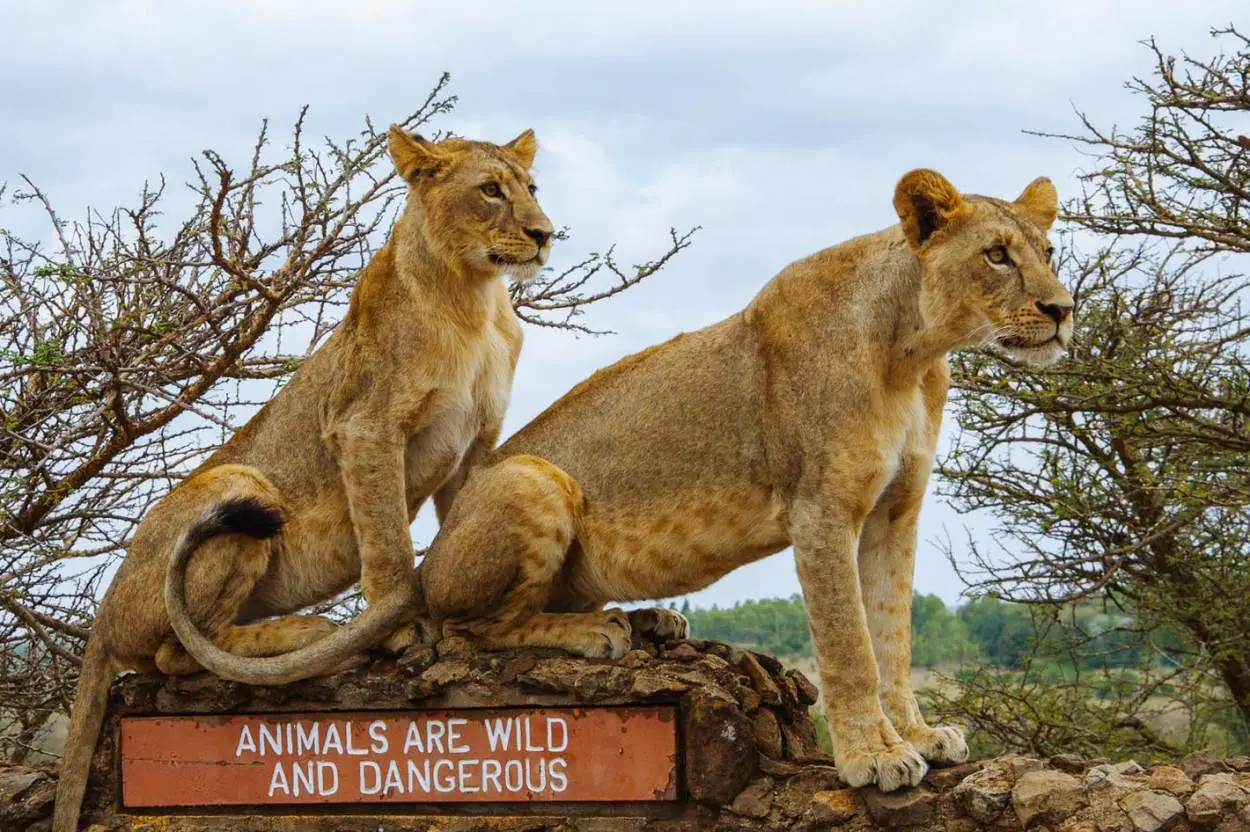
For most visitors, yes. It is one of the few places where you can watch lions and rhino with the city skyline behind them, and it takes half a day. It works well on arrival or departure days when you cannot reach the Mara or Amboseli. You will not see the huge herds of the Mara, but you can see most of the major species in one morning.
What a day tour includes
A guided tour bundles the fee into one price, which removes the gateway and vehicle sums. Our half-day Nairobi National Park Day Tour includes park fees, a private vehicle, a professional guide, drinking water and hotel pickup and drop-off. Pickup is at 6:00 am, and the game drive runs about four hours.
Lunch, tips, personal items such as insurance and visa fees, and any government-imposed increase in park fees are not included. Because KWS can change tariffs, the last item matters. It means any government-imposed increase in park fees is not covered.
A tour costs more than a ticket, but it covers transport, a guide and the park fee in one booking.
What to remember before you go
The Nairobi National Park entry fee is set by your category and the season, paid in advance through KWS eCitizen, and topped up by gateway and vehicle charges. For two non-resident adults, the ticket alone comes to USD 160, or USD 168 with the gateway fee. Citizens and residents pay far less, in Kenya shillings.
Confirm the final total on the portal before you pay, since KWS can revise rates. If you would rather skip the paperwork, Laxa Trails Safaris can arrange a guided Nairobi National Park day tour with the park fee included, or a longer safari from Nairobi.