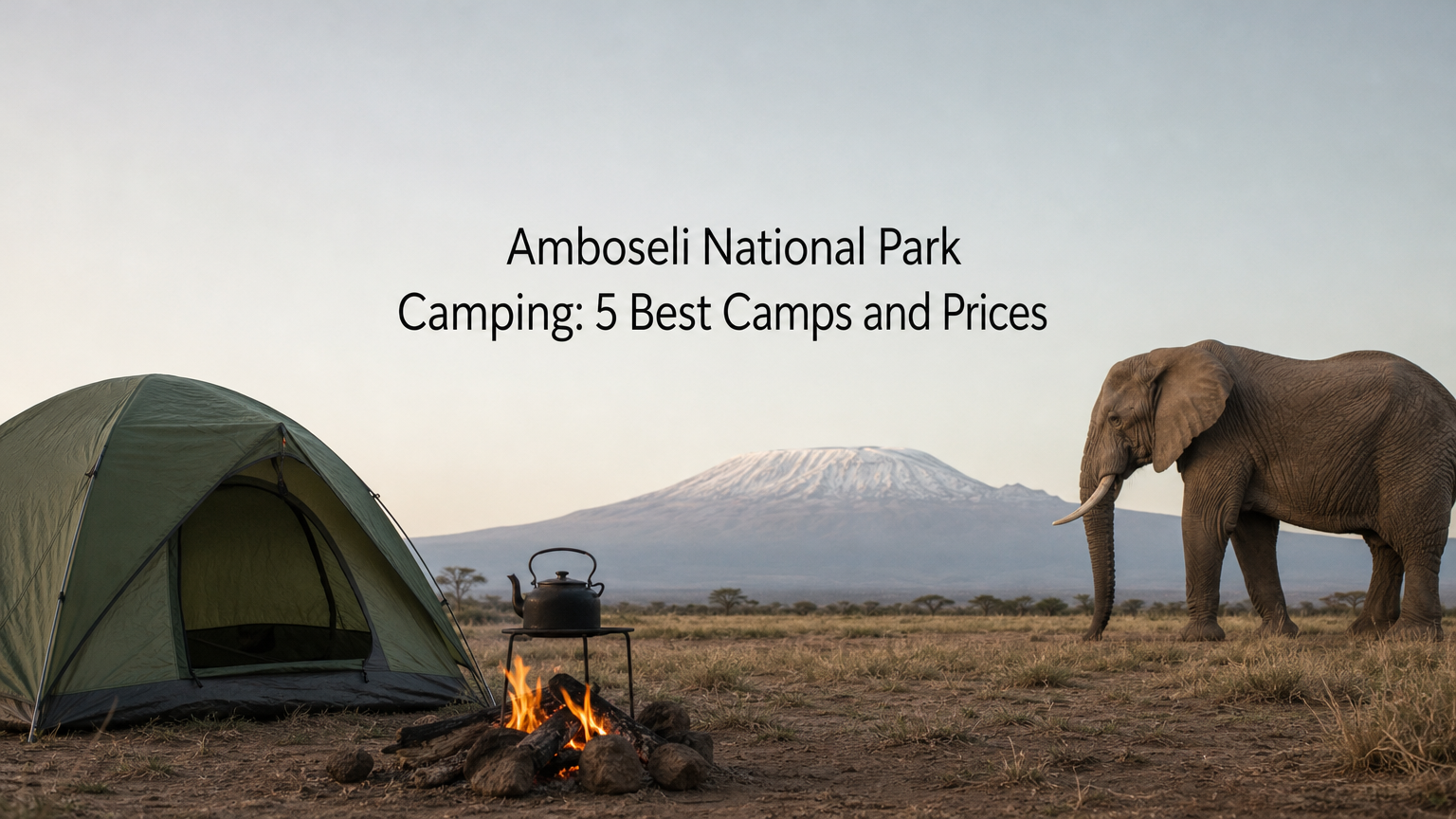
Amboseli National Park Camping: 5 Best Camps and Prices
The best way to handle Amboseli National Park camping is to match the site to how you travel. Book the KWS public campsite if you want to sleep inside the park. Choose Manjaro or Kimana Community Campsite for cheap, well-run camping just outside Kimana Gate. Take a tented camp if you want a real bed and cooked meals, and use a guided operator if you do not want to drive or carry gear. Each puts you close to the elephants under Kilimanjaro, and they differ in price, comfort and effort.
The trouble is that information about camping in Amboseli National Park is scattered. Fees are quoted in shillings and dollars, some campsites sit inside the park and others outside the gate, and a "camp" can mean a patch of grass or a tented suite at several hundred dollars a night.
This guide compares five options with prices, facilities and the kind of traveler each suits. We run guided safaris from Kenya at Laxa Trails Safaris, so we list our own option first and then the independent campsites. Prices are published figures that change, so confirm them before you pay.
1. Laxa Trails guided camping safari
An Amboseli camping safari with Laxa Trails Safaris suits you if you want the park without driving, packing a kitchen or paying fees yourself.
What you get
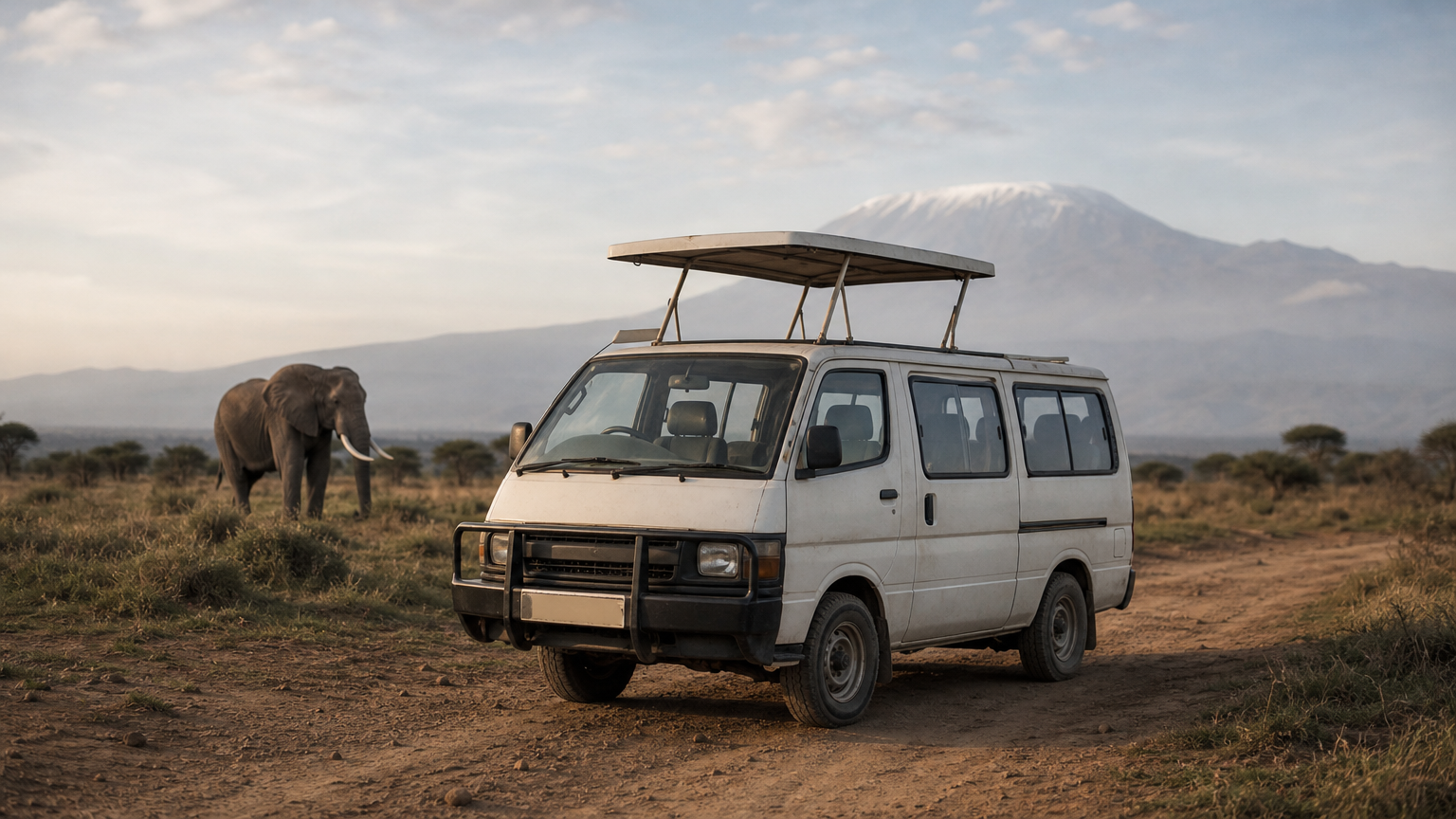
Our 3-day Amboseli safari runs from Nairobi and includes game drives, full-board accommodation, a professional English-speaking driver-guide and all park entrance fees. Accommodation is lodge or camp. We offer basic camping, luxury tented camps or lodges depending on budget, so say you want camping when you request a quote. Transport is a safari van with a pop-up roof, or you can upgrade to a 4×4 Land Cruiser.
Not included in the listed price:
- Soft and alcoholic drinks
- Maasai village visit
- Balloon safari
- Tips
Pay once for transport, park fees and guiding, and you only need to bring a camera.
Cost and who it suits
The trip is listed at $715, down from $815, for 3 days and 2 nights. Most of our safaris run privately for a minimum of two people, and we recommend no more than seven per vehicle so everyone keeps a window seat. A 50 to 60% deposit confirms the booking, and the balance is due 30 days before departure.
Two nights is a sensible minimum because you spend about four hours on the road from Nairobi on arrival day. This option suits first-timers, families and anyone with a short trip who wants one point of contact. It costs more than a self-drive campsite, but you skip vehicle hire and cooking.
2. KWS public campsite inside the park
The KWS public campsite is the only official camping area inside Amboseli National Park, so it is the pick if you want to wake up among the wildlife.
What you get
Facilities are basic: water, toilets and a simple kitchen area. You bring the tent, bedding and food. Hippos grunt in the nearby swamps at night, and elephants often pass on their morning routes before day visitors reach the gate.
Booking is not strictly required, but you can confirm by emailing reservations@kws.go.ke or calling KWS. Payment goes through eCitizen, and staff at Kimana Gate can point you to the site. The dry months from June to October make game viewing easiest.
The KWS campsite costs little, but the park entry fee is what you really budget for.
Cost and who it suits
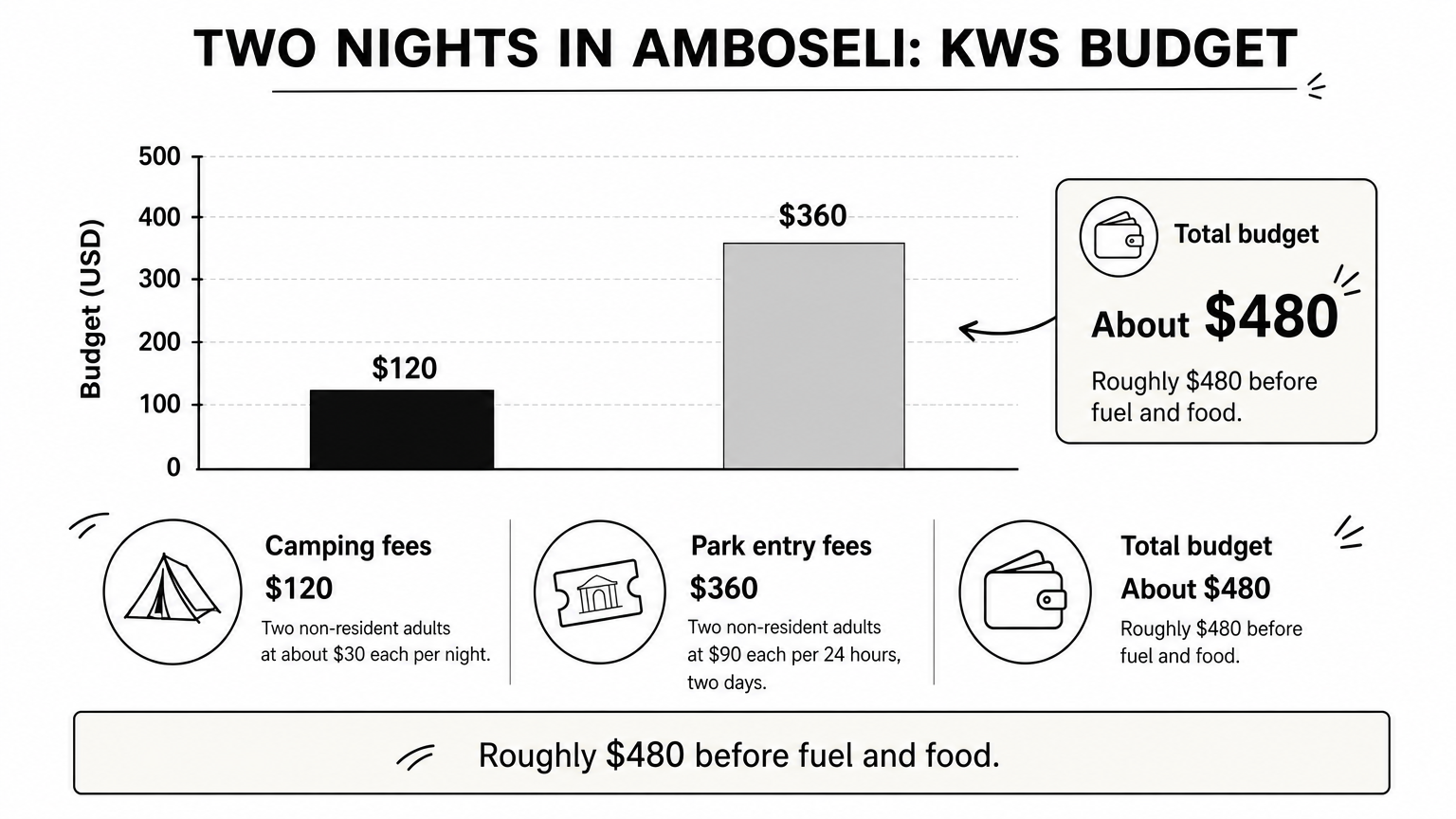
Camping is charged per person per night. Published figures sit near $30 for non-residents and KES 300 for residents, though KWS adjusts tariffs, so check when you reserve. Park entry for non-residents is $90 per adult and $45 per child, charged per 24 hours. East African citizens pay KES 1,500 per adult and residents KES 2,025.
Here is a worked example. Two non-resident adults camping two nights and driving two full days pay about $120 for camping and $360 for entry, roughly $480 before fuel and food.
The road from Nairobi takes about four hours via Namanga or Emali. A 4×4 is essential near the park, especially in the rains. This site suits self-drivers who are comfortable with no frills.
3. Manjaro Campsite near Kimana Gate
Manjaro is the best-run independent campsite near the park, and it sits just outside Kimana Gate on the southeastern side.
What you get
Pitches are shaded by acacia trees, and Kilimanjaro rises behind the tents on clear days. The standout is the toilet and shower block with reliable hot water, which is among the cleanest near Amboseli. A waterhole outside the site draws elephants, so you may hear them from the campfire after dark.
The team provides firewood and simple meals on request. The campground shares space with the small Manjaro Tented Camp, which gives you a fallback if the weather turns.
If clean showers decide your trip, Manjaro is the safest independent bet.
Cost and who it suits
Camping costs about KES 1,500 per night, roughly $12 at recent exchange rates. Ask whether that rate is per person or per tent when you book. Because the site is outside the park, you still pay park entry each day you drive in.
It suits overlanders and self-drive travelers who want comfort, a short drive to the gate and a quiet evening by the fire.
4. Kimana Community Campsite
Kimana Community Campsite is the cheapest of the main options, and it is also just outside Kimana Gate, a few minutes’ drive from the park’s main gate.
What you get
The local community runs it in partnership with KWS, and tents sit under a canopy of giant acacia trees. Facilities include flush toilets, hot showers, electricity points and a simple kitchen area. A tented camp in the same compound has a small social area serving drinks and light snacks, and you will often meet other overlanders there.
Insects live in those trees, especially after rain. Keep your tent zipped and your lights dimmed.
Kimana trades a little polish for the lowest nightly rate and charging points.
Cost and who it suits
Expect about KES 1,000 per night, roughly $8 at recent exchange rates. That makes it the best fit for budget travelers, small groups sharing costs, and anyone who needs to charge cameras and phones. Your fee supports a community-run site, which many travelers like. Park entry is paid separately on top.
5. Tented camps around the park
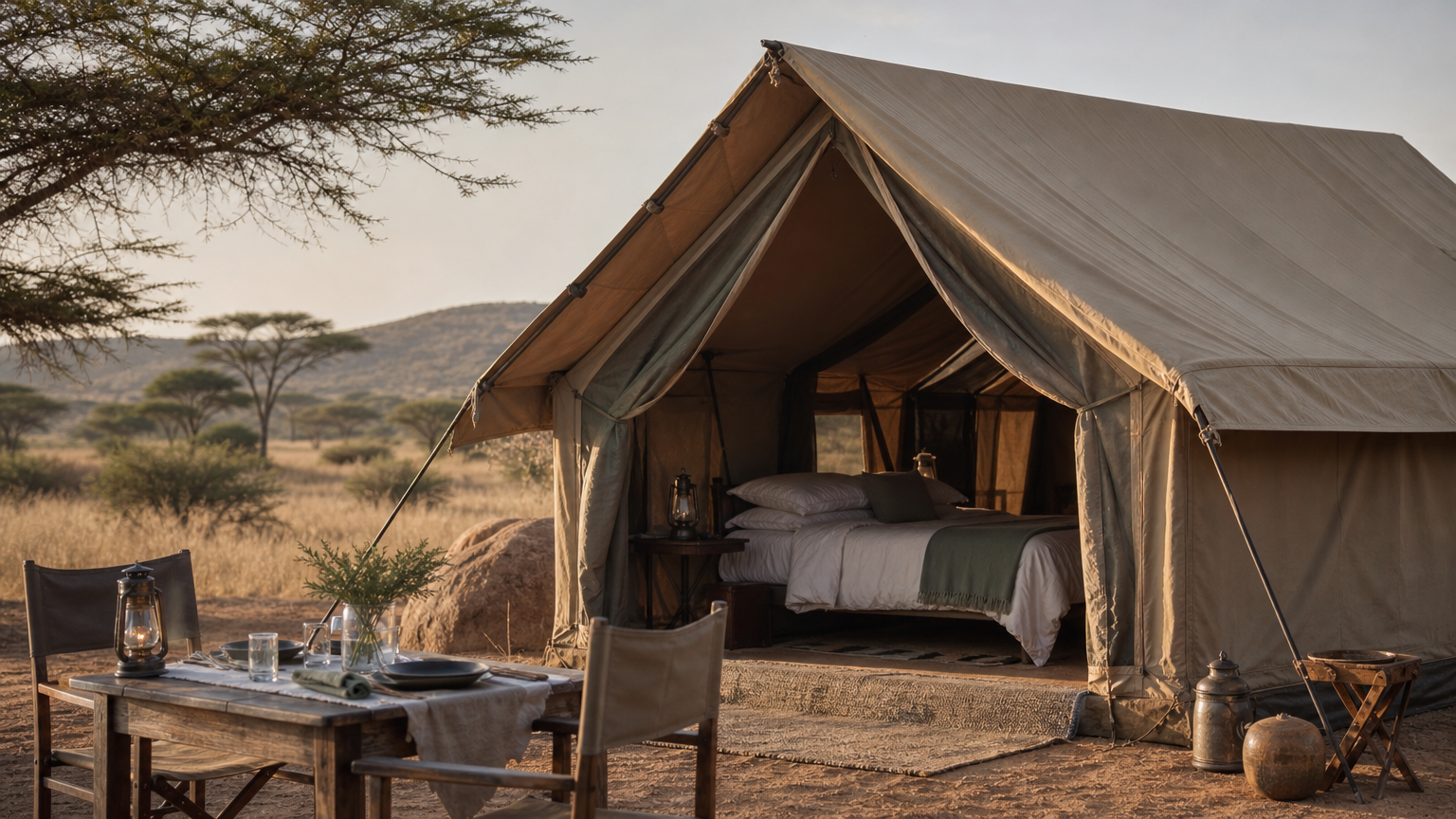
Tented camps are the right choice when you want a real bed, cooked meals and no tent to pitch.
What you get
Several camps ring the park. Elewana’s Tortilis Camp is a tented camp in the Amboseli ecosystem. Praro Amboseli Safari Camp sits in the 35,000-acre ALOCA Conservancy, which borders the park. Amboseli Eco Camp is near Loitokitok, southeast of the park and close to the Tanzanian border. Manjaro Tented Camp is near Kimana Gate.
Conservancy stays like Praro are on private land bordering the park, which usually means fewer vehicles at a sighting. Meals and guiding are typically arranged by the camp.
A tented camp costs many times more than a campsite, and you pay for the bed, not the view.
Cost and who it suits
Rates vary by camp and season. One Amboseli accommodation directory lists stays from about $340 per person per night, up to $434 in high season, so request a quote from the camp you like. This option suits couples, honeymooners and families who want comfort. Here is how all five options compare:
| Option | Location | Price | Best for |
|---|---|---|---|
| Laxa guided safari | Nairobi pickup, travels to the park | $715 for 3 days (from $815) | First-timers, no hassle |
| KWS public campsite | Inside the park | About $30 non-residents, KES 300 residents, per person per night, plus entry | Wildlife immersion |
| Manjaro Campsite | Outside Kimana Gate | About KES 1,500 per night | Clean facilities |
| Kimana Community Campsite | Outside Kimana Gate | About KES 1,000 per night | Tight budgets |
| Tented camps | Park edge and conservancies | From about $340 per person per night | Comfort |
Choosing where to camp in Amboseli
Pick the KWS campsite for immersion, Manjaro or Kimana for value outside the gate, a tented camp for comfort, and a guided safari when you want everything handled. Whichever you choose, budget for park entry on top of the nightly rate, and plan at least two nights.
If you would rather leave the logistics to experienced guides, plan your Amboseli camping safari with Laxa Trails Safaris and tell us your dates, group size and budget.