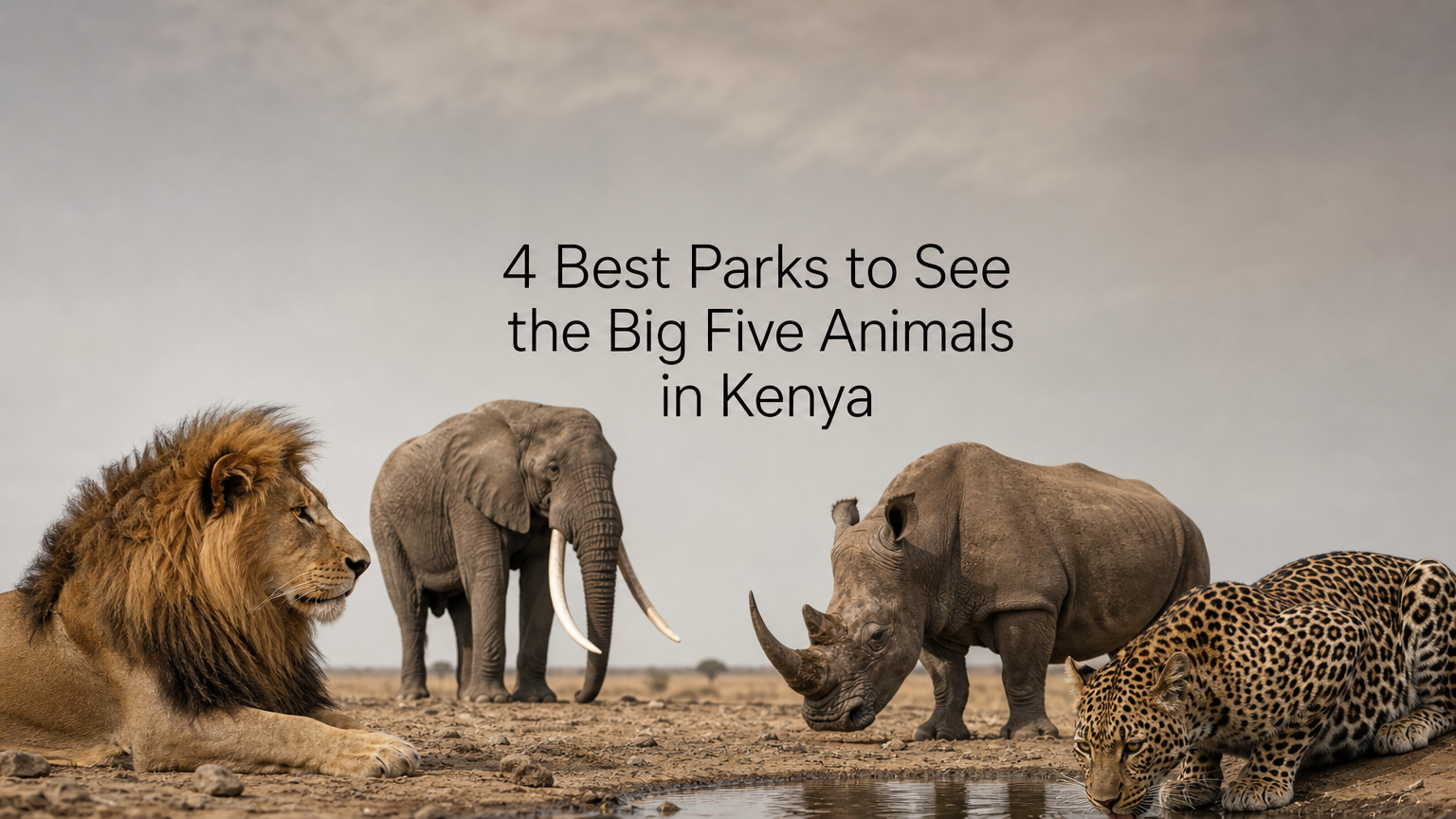
4 Best Parks to See the Big Five Animals in Kenya
Kenya the Big Five means lion, leopard, elephant, buffalo and rhino, and the most reliable way to see all five is to combine two parks. The Masai Mara suits first-timers who want lions and elephants in numbers. Lake Nakuru suits travelers short on time who want a rhino. Ol Pejeta Conservancy is the strongest single stop for all five. Amboseli suits elephant lovers who accept that rhinos live elsewhere.
Most guides either list the five animals and stop, or hand you ten parks with no ranking. You still don’t know whether three days is enough, which animal will test your luck, or which parks to pair. This article ranks four parks, explains how hard each animal is to spot, and matches each park to a realistic trip length.
Laxa Trails Safaris is a Kenya-based company founded in 2019 by a guide with over 14 years in the field. It runs guided safaris from Nairobi to all four parks, so the trip notes below reflect routes we actually operate.
The Big Five animals of Kenya and how hard each is to spot
The Big Five are the lion, leopard, African elephant, Cape buffalo and rhino. Buffalo and elephant are the easy ones, lions are fairly reliable, and leopards and rhinos are where your planning matters.
Why these five and not the giraffe
The name comes from hunters, who used it for the animals they judged most dangerous to pursue on foot. That is why giraffe and cheetah, charismatic but not threatening, are not on the list. Today the only shooting is with cameras, and the list works as a wildlife checklist.
Poaching changed what the list means in practice. The rhino suffered most, so the number of places in Africa where you can still see all five has fallen. Kenya remains one of the best countries for it, because several parks and conservancies protect strong rhino populations.
How hard each one is to see
Use this table to decide which animals deserve your planning effort.
| Animal | Best places in Kenya | Difficulty |
|---|---|---|
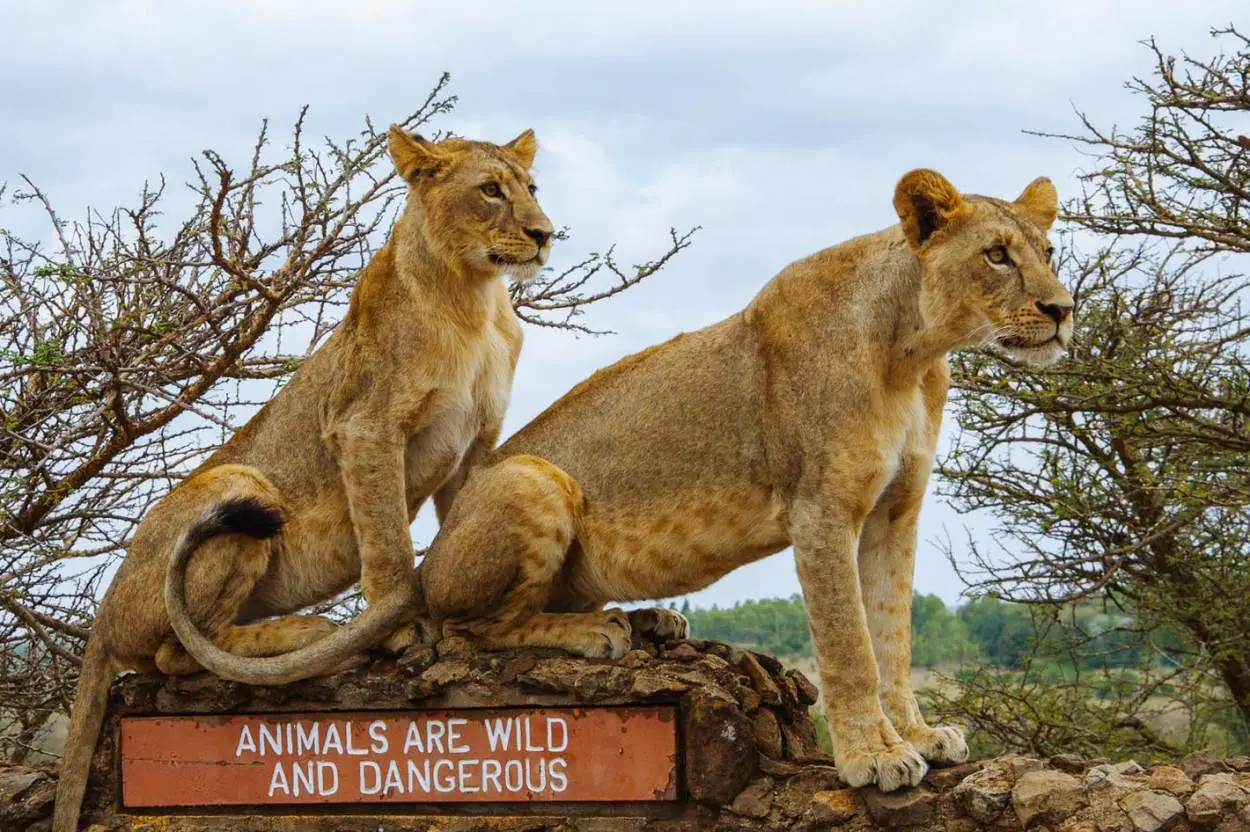
| Lion | Masai Mara, Tsavo, Samburu, Amboseli | Moderate to easy |
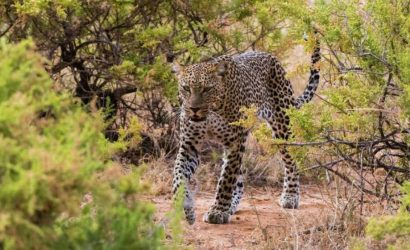
| Leopard | Masai Mara, Samburu riverbank, Ol Pejeta | Hard, needs luck |
| Elephant | Amboseli, Samburu, Masai Mara | Easy |
| Buffalo | Almost every park | Easiest |
| Rhino | Lake Nakuru, Ol Pejeta, Nairobi National Park, Mara Triangle | Easy in sanctuaries, hard elsewhere |
The leopard is the hardest of the five to see. It hunts at night, rests in trees and thick riverside bush, and even in the best parks a sighting takes luck and a sharp guide. Rhinos are rare across the country, but the best places to see rhinos in Kenya are protected sanctuaries where your odds rise sharply.
Choose your park around the rhino and the leopard, because the other three turn up almost anywhere.
Why one park is rarely enough
Parks have complementary strengths. The Mara gives you cats and elephants, while Nakuru or Ol Pejeta gives you rhinos. Pairing two destinations beats hoping one park covers everything. Other parks worth knowing:
- Samburu, Buffalo Springs and Shaba: four of the five, with no rhino, plus dry-country species like Grevy’s zebra.
- Nairobi National Park: four of the five, with no elephant. It suits a half-day trip, and our Nairobi National Park Day Tour is a four-hour game drive with park fees and hotel pickup included.
- Tsavo East and West: officially all five, but black rhino is scarce in the east. Tsavo West protects black rhino in a drive-through sanctuary.
1. Masai Mara National Reserve
The Masai Mara is the best first-time park for the Big Five in Kenya because lion, leopard, elephant and buffalo are all dependable. Rhino is the one that needs luck.
Which of the Big Five you will see
The reserve is large, so animals spread out and seeing all five in one visit is not guaranteed. If a rhino matters to you, ask your guide to head for the western Mara Triangle, where rhinos are most likely.
- Lion: many prides, the best numbers in Kenya.
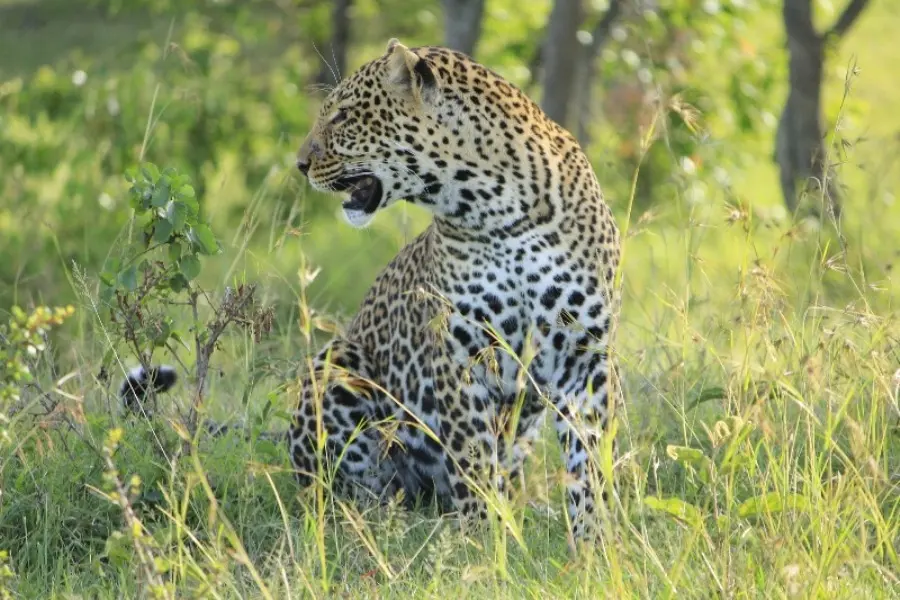
- Leopard: present all year, but elusive here as everywhere.
- Elephant: reliable.
- Buffalo: reliable.
- Rhino: black rhino is uncommon, most likely in the Mara Triangle.
Come to the Mara for the cats and elephants, then add a rhino park to complete the set.
When to go and which trip fits
The Big Five live here all year. From roughly July to October the wildebeest migration arrives, which draws more predators and more visitors. The drive from Nairobi takes much of a day, so give the Mara at least three days.
- 3-Days Masai Mara, Lake Naivasha Budget Safari, $650 (about $217 a day): game drives, a Naivasha boat ride, a Maasai village visit, park entry fees, a driver-guide, plus accommodation and meals as listed.
International flights, Kenya visa fees, travel insurance and tips are not included, so budget for them separately.
2. Lake Nakuru National Park
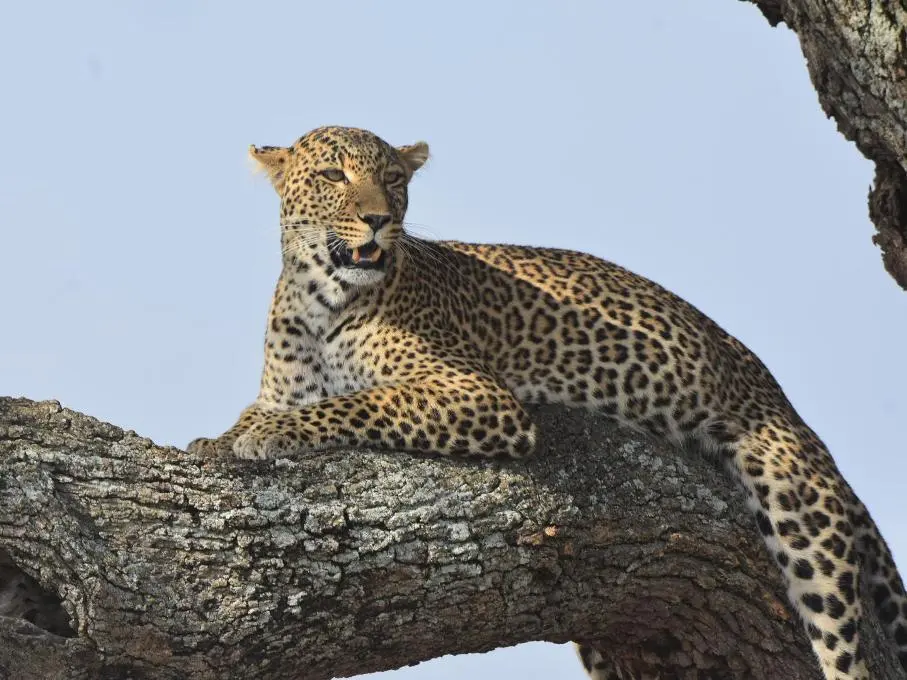
Lake Nakuru is the easiest place in Kenya to see a rhino, which is why it pairs so well with the Mara. It is small and scenic, and easy to cover in a day.
Which of the Big Five you will see
White rhinos graze on the lake floodplain and are easy to find. Black rhinos are more secretive and prefer dense bush, so expect to work for them. Flamingo flocks come and go with the seasons.
- Lion: present, but not common.
- Leopard: present, but not common.
- Elephant: not a Nakuru strength, so look for them in the Mara or Amboseli.
- Buffalo: present.
- Rhino: white rhino easy, black rhino harder.
Nakuru is where you tick off the rhino, and the Mara is where you find everything else.
When to go and which trip fits
Nakuru works in any season, and its small size means short drives between sightings. Plan one full day here as part of a longer route, and don’t build a safari around it alone.
- 5-Days Big Five Kenya Safari, $1,460 (about $292 a day): Nairobi to Lake Naivasha, Lake Nakuru National Park and the Masai Mara, with game drives, a boat ride, a walking safari and a Maasai village visit. Transport, park fees, a driver-guide, accommodation, meals and bottled water are included. Flights, visa fees, insurance and tips are not.
3. Ol Pejeta Conservancy
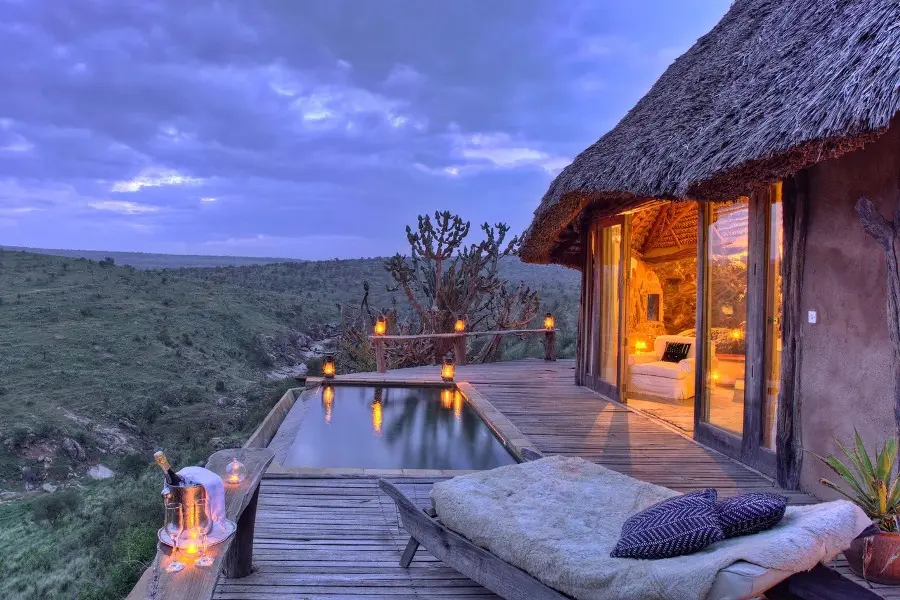
Ol Pejeta is the best single stop in Kenya if you want all five in one place, with a particular strength in rhino. It sits on the Laikipia Plateau, a region that is a stronghold for all of the Big Five.
Which of the Big Five you will see
This private conservancy is known for its black rhino conservation, so rhino sightings here are far more likely than in the Mara. It is also one of the few places where night drives are offered, which raises your odds of a leopard.
- Lion: present, part of the conservancy’s big-cat draw.
- Leopard: best chance through night drives.
- Elephant: present.
- Buffalo: present.
- Rhino: the main reason to come.
If you only have time for one park and want every animal on the list, make it Ol Pejeta.
When to go and which trip fits
Ol Pejeta works year-round, and the dry months, roughly June to October, concentrate animals near water. A two-night stay gives you several game drives. Both trips below start in Nairobi, and you can ask us for a quote on each.
- 4 Days Ol Pejeta Conservancy & Lake Naivasha Wildlife Safari: full board, game drives, and a Naivasha boat ride to Crescent Island plus a nature walk. The boat ride is not included in the price.
- 5 Days Ol Pejeta Conservancy & Samburu Honeymoon Safari: lodge stays on full board, sundowners and bush breakfasts, with Samburu added for its dry-country specials.
4. Amboseli National Park
Amboseli is the park for elephants, not for completing the Big Five. You will see them up close with Mount Kilimanjaro behind, but there are no rhinos here.
Which of the Big Five you will see
Expect elephants in large numbers, often walking in family groups toward water. Buffalo are quite common. Big cats are less reliable than in the Mara, so treat Amboseli as one stop in a longer route.
- Lion: present, but sightings are less certain than in the Mara.
- Leopard: scarce.
- Elephant: the best in Kenya for close views.
- Buffalo: quite common.
- Rhino: none.
Visit Amboseli for the elephants and the Kilimanjaro backdrop, and get your rhino and cats elsewhere.
When to go and which trip fits
The dry months from June to October bring animals to the swamps, and early mornings give the clearest views of Kilimanjaro. Pair Amboseli with a rhino park on the same route.
- 7-Day Masai Mara Great Wildebeest Migration Safari, $2,446 (about $349 a day, 7 days and 6 nights): Masai Mara, Amboseli, Naivasha, Hell’s Gate and Nakuru. You get elephants under Kilimanjaro, rhinos at Nakuru and cats in the Mara, in pop-up roof vehicles. The hot air balloon safari, Maasai village visit, drinks and tips cost extra.
- 10 Days Ol Pejeta, Nakuru, Masai Mara, Naivasha, Amboseli, Tsavo West & Diani Beach: the same circuit with Ol Pejeta and Tsavo West added, ending on the South Coast.
For comfort, we recommend no more than seven people per vehicle so everyone keeps a window seat.
Planning your Big Five safari
The Big Five in Kenya are easy to list and harder to complete. Buffalo and elephant come easily, lions are dependable in the Mara, and the leopard and rhino decide which parks you choose. Pair the Mara with Lake Nakuru or Ol Pejeta, add Amboseli if elephants matter, and give the trip at least five days.
If you want a route built around these animals, plan a 5-day Big Five Kenya safari with Laxa Trails Safaris. Tell us your dates, group size and budget, and one of our tour consultants will come back with a quote.