Masai Mara Kenya Safari: What It Is and How to Plan One
A Masai Mara Kenya safari is a guided wildlife trip into Masai Mara National Reserve and the private conservancies around it, in Narok County, southwest Kenya. You spend your days on game drives looking for lions, leopards, elephants, buffalo and wildebeest herds. Most trips start in Nairobi and last 3 to 7 days. The best months are June to October, and packages run from about $650 for a budget 3-day trip to around $2,450 for a week.
The Mara is the northern end of the Serengeti ecosystem, so it shares its animals, including the Great Migration, with Tanzania. That explains why wildlife viewing here is so dense and why a short trip can still feel complete.
This article covers why the Mara is worth your limited days, how to choose your dates, route and trip length, what packages cost, and how to book without surprises. Laxa Trails Safaris is a Kenya-based company founded in 2019 by a guide with more than 14 years in the field, and the advice below reflects how these trips work on the ground.
Why a Masai Mara safari is worth the trip
The Mara is worth it because it combines dependable big cat sightings, open terrain and one of the best-known animal movements on earth, all within a day’s travel of Nairobi.
What a safari in the Masai Mara involves
A safari in the Masai Mara is built around game drives in a 4×4 jeep or a minibus with a pop-up roof, led by a driver-guide who knows where animals rest and hunt. Drives run at dawn and in the late afternoon, when cats and other animals are most active, and can stretch into a full day with a packed lunch. You sleep in a lodge or tented camp and eat full board.
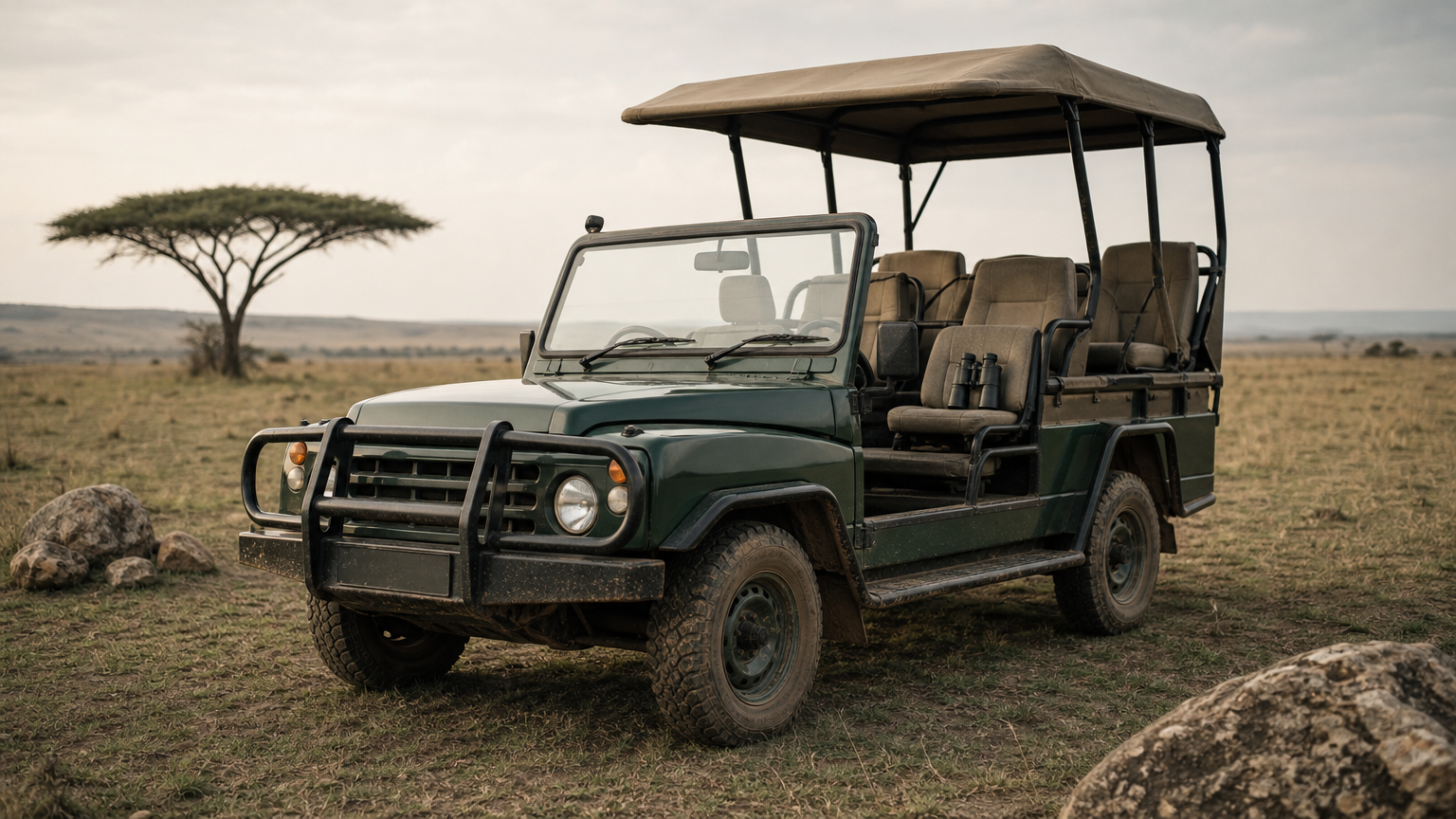
The terrain is open grassland dotted with acacia, so you see a long way. Animals are used to vehicles, so you watch from a few meters away without leaving the car. Guides also share sightings by radio, which is why a good one finds a leopard in a place you would have driven past.
What you can see
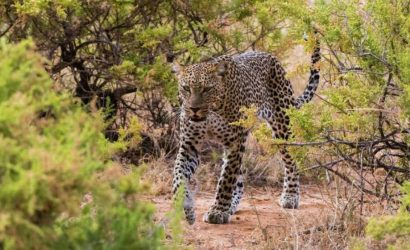
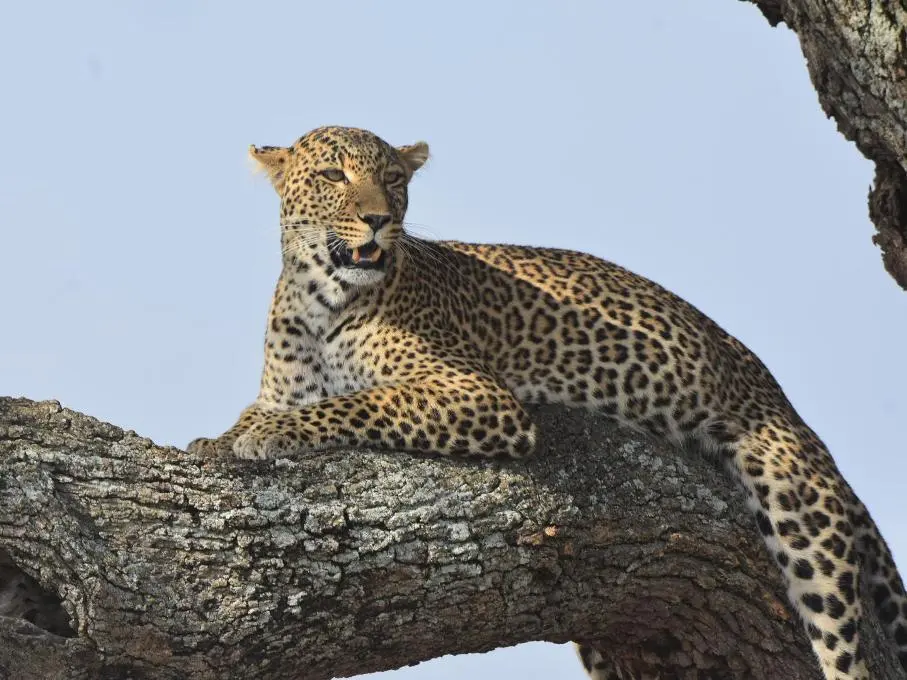
Lions, elephants and buffalo are common, and cheetahs, giraffes, zebras, hippos and crocodiles round out a typical day. Leopards and rhinos are the hard ones. Rhinos are rare in the reserve, which is why guides work hardest for them, and there are other places to see rhinos in Kenya.
Then there is the Great Wildebeest Migration. Roughly 1.5 million wildebeest move between Tanzania’s Serengeti and the Mara, usually arriving around July and staying through October. The dramatic part is the Mara River crossing, which lasts only a few minutes and cannot be scheduled. Spending two full days near the river improves your odds.
You can plan a trip around the migration, but you cannot schedule a river crossing.
Mara or Serengeti?
Choose the Mara if you have a week or less and want to start from Nairobi. The reserve is much smaller than the Serengeti, so animals are concentrated and drives between sightings are short. The Serengeti is roughly ten times larger, which suits longer trips on the Tanzanian side.
The herds cross the border, so you see the same migration from either country. If you want both, ask a Kenyan operator about pairing Kenya with Tanzania’s Ngorongoro Crater.
How to plan a safari in the Masai Mara
Plan around three decisions: when you go, how you get there, and how many nights you stay. Each one changes both the wildlife and the bill.
Best time to go
The best time for a Masai Mara safari is June to October, the dry season, when grass is shorter, animals gather near water and the migration is in the reserve. The trade-off is crowds and higher rates, mostly in July and August.
| Months | Conditions | What to expect |
|---|---|---|
| January to February | Dry break between rains | Good game viewing, fewer vehicles |
| March to May | Long rains | Green and quiet, muddy roads, some camps close |
| June | Drying out | Early dry-season viewing, migration arriving |
| July to October | Dry season | Migration, river crossings, peak crowds |
| November to December | Short rains | Lush scenery, fewer visitors, lower prices |
If you ask when to avoid the Mara, the answer is April and May, when heavy rain makes roads hard and some camps shut. For the migration with fewer vehicles, try late October.
Getting there from Nairobi
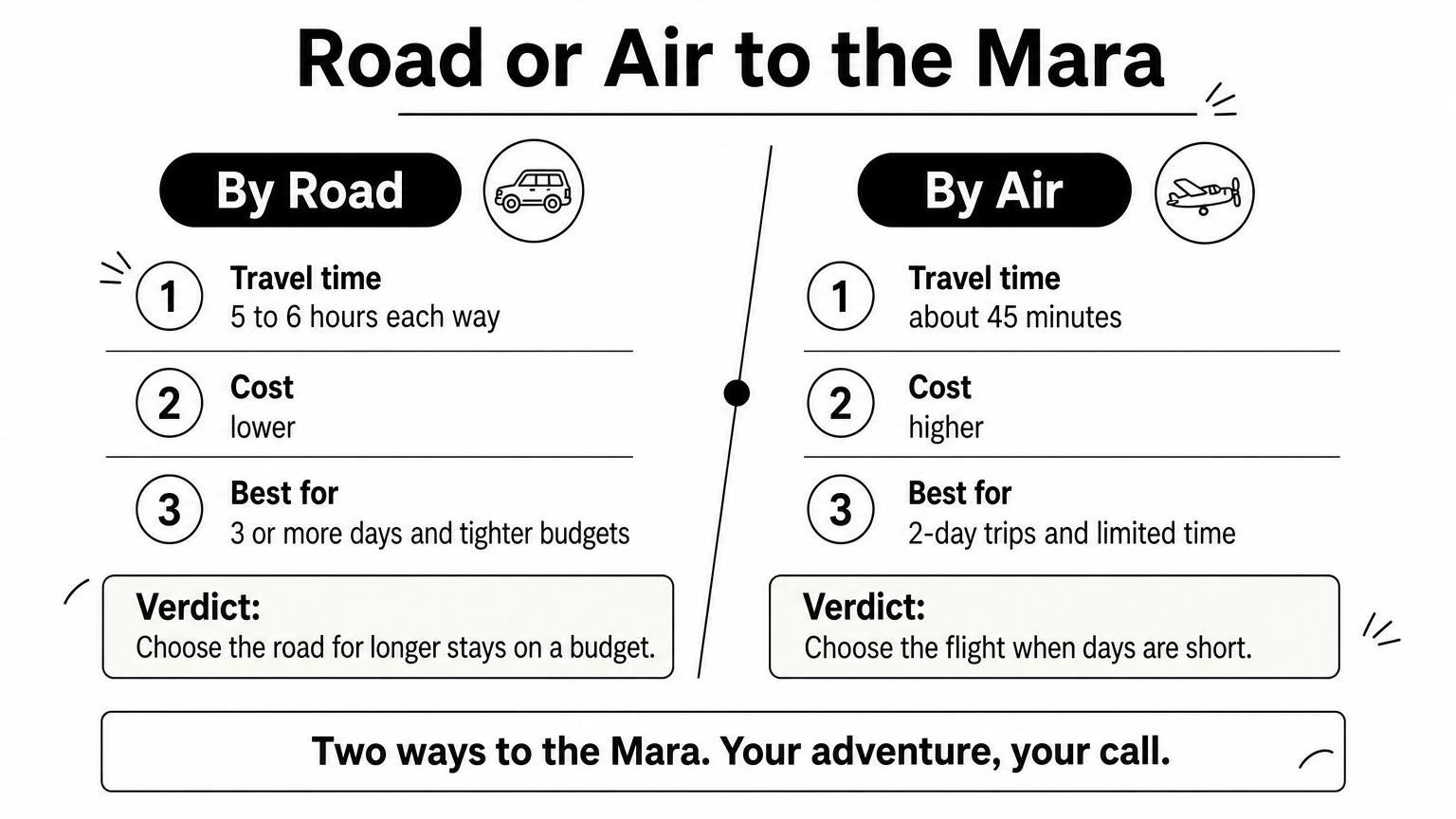
You can drive or fly. Driving takes about 5 to 6 hours each way and shows you the Kenyan countryside, but parts of the road are rough. Flying on a 2-day Masai Mara flying safari takes about 45 minutes from Wilson Airport to an airstrip in the Mara and costs more.
| By road | By air | |
|---|---|---|
| Travel time | 5 to 6 hours | About 45 minutes |
| Cost | Lower | Higher |
| Best for | 3 or more days, tighter budgets | 2-day trips, limited time |
How many days you need
Count only your full game-viewing days. A road trip loses most of the first and last day to driving, so a 3-day Masai Mara budget safari gives you about one full day in the reserve. A 4-day trip gives you two, which is the minimum I recommend for the migration. Five to seven days let you add Lake Naivasha, Hell’s Gate, Lake Nakuru or Amboseli.
If you drive, plan at least 3 days, and if you only have 2, fly.
Masai Mara safari packages and what they cost
Packages from Laxa Trails run from $650 for 3 days to $2,446 for 7 days, in US dollars. Price depends on length, transport, accommodation level and season.
Packages at a glance
| Package | Length | Price |
|---|---|---|
| Masai Mara and Lake Naivasha budget safari | 3 days | $650 |
| Big Five Kenya safari | 5 days | $1,460 (was $1,550) |
| Lake Naivasha, Hell’s Gate, Lake Nakuru and Masai Mara | 5 days | $1,765 (was $1,800) |
| Masai Mara Great Wildebeest Migration safari | 7 days | $2,446 |
| Masai Mara Great Wildebeest Migration safari | 4 days | Ask for a quote |
| Masai Mara flying safari | 2 days | Ask for a quote |
These packages generally cover transport with a driver-guide, park entry fees, accommodation, meals and mineral water. International flights, visa fees, travel insurance and tips are not included. Some packages also leave out drinks, hot air balloon rides and Maasai village visits, so read each page’s inclusions.
What moves the price
Four things move it most. Accommodation matters most. Basic camping costs far less than lodges, and published rates at well-known luxury camps in the reserve run from about $785 to $1,144 per person per night. Transport is next, since a tour van costs less than a 4×4 jeep upgrade. Length and season follow, because July to October carries higher rates. Flying instead of driving adds the airfare.
Market listings show the same pattern, with 3-day road safaris spanning roughly $440 for budget to over $2,000 for luxury.
A worked example
Take two adults on the 5-Days Big Five Kenya Safari at the listed $1,460. If that price is per person, the safari costs $2,920 for two, already $180 less than the $3,100 original price. Then add international flights, entry authorization for Kenya, travel insurance and tips. Always confirm whether a quote is per person or per group.
Compare packages by what is included, not by the headline price.
Where to stay and how to book with confidence
Pick a camp by location and style, then book through an operator that answers questions in writing and states its payment terms clearly.
Choosing where to stay
The Mara has three kinds of areas. The main reserve has the best-known sightings and the river crossings. The Mara Triangle, in the west, is often quieter. Private conservancies such as Mara North, Naboisho and Olare Orok limit vehicle numbers and often allow walking and night drives, which the reserve restricts.
Stay inside or right beside the Mara, not a long drive away, and ideally near a river or a place animals gather. Style is a budget decision. Laxa Trails accommodation ranges from basic camping to luxury tented camps and lodges.
Booking checklist
Before you pay anything, confirm each of these in writing:
- Whether the price is per person or per group
- Private or shared trip. Most Laxa Trails safaris are private, with a minimum of two people.
- Vehicle type and group size. Seven people at most gives everyone a window seat.
- Exact inclusions and exclusions, including balloon rides and village visits
- Deposit and balance. Laxa Trails asks for a 50 to 60 percent deposit by wire transfer, with the balance due at least 30 days before departure or paid in US cash on arrival.
- Travel insurance, which Laxa Trails strongly recommends
- Your Kenya entry authorization, applied for online through the official government site before you fly
A clear written quote, with inclusions and payment terms, is the best sign of a reliable operator.
Ready to plan your Mara trip?
A Masai Mara safari rewards good timing and honest planning. Go between June and October for the migration, or in the shoulder months for fewer vehicles. Allow at least two full game-viewing days, choose the transport that fits your budget, and compare packages by what they include.
If you want help turning these choices into an itinerary, you can request a quote for a 4-day Masai Mara migration safari and one of the tour consultants will reply with details.