Nakuru Lake in Kenya: What It Is and How to Visit the Park
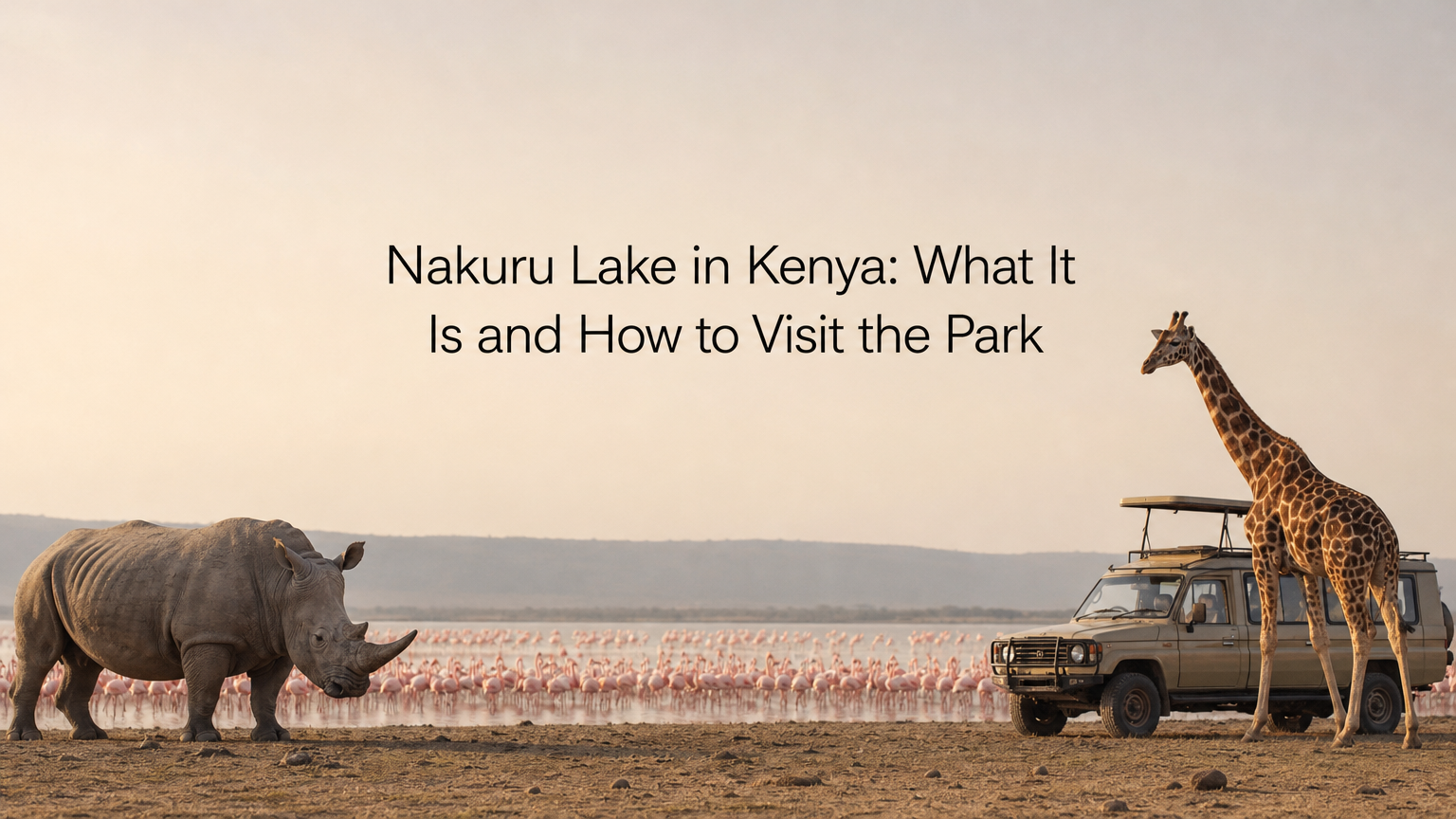
Nakuru lake, properly called Lake Nakuru, is a shallow soda lake on the floor of Kenya’s Great Rift Valley, about 156 km northwest of Nairobi. It sits at the heart of Lake Nakuru National Park, a 188 km² reserve known for its rhino sanctuary, roughly 450 bird species and, in good years, flamingos along the shore.
The lake has no outlet, so minerals build up in the water. That makes it too alkaline for most fish and ideal for algae, which feeds the birds and shapes everything around it. It is neither freshwater nor ordinary salt water.
Laxa Trails Safaris is a Kenya-based safari company founded in 2019, and Lake Nakuru appears in several of its itineraries. This guide covers why the lake matters, where it is, what entry costs, and how to fit it into a safari.
Why Lake Nakuru is worth a safari stop
Lake Nakuru earns its place on a safari route because it packs a rhino sanctuary, rich birdlife and easy-to-spot predators into a park you can cover in a day. It is compact, scenic and close to Nairobi.
A soda lake, not a freshwater lake
Lake Nakuru is alkaline-saline, with a pH of about 10.5, and it sits at roughly 1,754 m above sea level. Older measurements put its surface at about 40 km² and its maximum depth near three meters, though both shift with rainfall and water levels.
A blue-green alga called Spirulina thrives in that water and feeds lesser flamingos. The lake originally had no fish. Salt-tolerant tilapia were introduced in the 1950s and 1960s to fight mosquitoes, and they now feed pelicans and other fish-eating birds. So the answer to "is Lake Nakuru fresh or salty" is neither, and you should not drink from it.
Lake Nakuru is a closed soda lake, which is why algae, flamingos and pelicans define it rather than fish.
Flamingos, with a fair warning
Until 2014 the lake often held more than 1.5 million flamingos at once, turning the shoreline pink. Rising water levels since then have shrunk their feeding and breeding grounds, so numbers now vary from visit to visit.
Treat flamingos as a bonus, not a promise. The park still lists around 450 bird species, so you will see plenty of birds even when the flocks are thin.
Rhinos, big cats and other wildlife
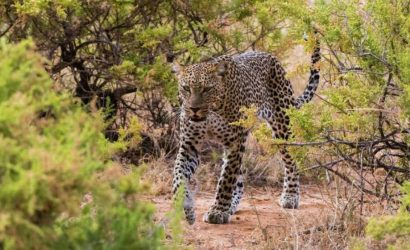
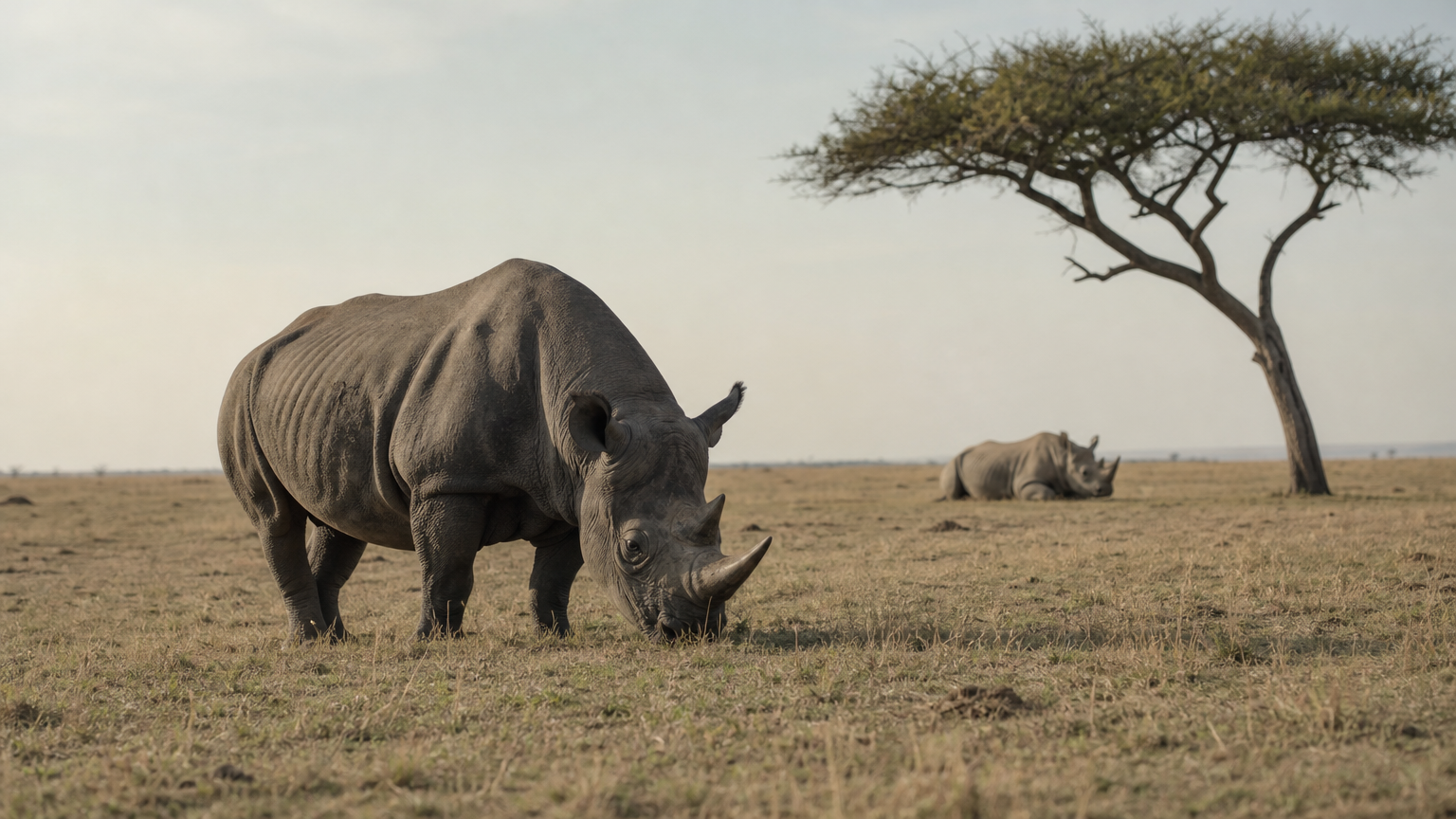
In 1987 the park became Kenya’s first government-managed rhino sanctuary. It protects both black and white rhinos, and it is one of the most dependable places to see rhinos in Kenya. Does Lake Nakuru have lions? Yes. The park holds more than 50 mammal species, including:
- Lions and frequently sighted leopards
- Black and white rhinos
- Cape buffalo, zebra, eland and waterbuck
- Hippos and baboons
- The rare Rothschild’s giraffe
Baboon Cliff, a panoramic lookout, and the Makalia Waterfalls add scenery between game drives.
Where Lake Nakuru is and how to get there
Lake Nakuru is in Nakuru County, in Kenya’s Rift Valley, about 156 km northwest of Nairobi on the A104 highway. The drive takes roughly three hours, and Nakuru city sits at the lake’s northern shore.
Key facts at a glance
| Detail | Fact |
|---|---|
| Country and region | Kenya, Rift Valley, Nakuru County |
| Distance from Nairobi | About 156 km northwest, roughly a three-hour drive |
| Park size | 188 km² |
| Park status | Gazetted as a national park in 1968, expanded in 1974 |
| Lake elevation | About 1,754 m above sea level |
| Birdlife | Around 450 species |
Getting there by road or air
Most visitors come by road with a driver-guide. The park has three entrances off the Nairobi to Nakuru highway: Lanet Gate, Nderit Gate and the Main Gate, which is 4 km from Nakuru city. A road safari from Nairobi often pairs Lake Nakuru with Lake Naivasha on the way.
Flying is possible but rare. The Naishi airstrip, beside Naishi Guest House inside the park, is serviceable.
From Nairobi, Lake Nakuru is an easy three-hour drive, which makes it a practical first or second stop on a Kenya safari.
How to visit Lake Nakuru National Park: fees and rules
A non-resident adult pays USD 90 to enter Lake Nakuru National Park, and a non-resident child pays USD 45. The gates open at 6:00 AM and close at 6:00 PM unless you are staying overnight in the park.
Entry fees by visitor category
These are the published Kenya Wildlife Service rates, which you can confirm on the KWS Lake Nakuru page.
| Visitor category | Adult | Child |
|---|---|---|
| East African citizen | KES 1,500 | KES 750 |
| Kenya resident | KES 2,025 | KES 1,050 |
| African citizen (outside East Africa) | USD 50 | USD 25 |
| Non-resident | USD 90 | USD 45 |
Here is a worked example. A non-resident family of two adults and two children pays 2 × $90 + 2 × $45 = $270 in park entry fees. Vehicle and guide costs come on top if you travel independently. On a guided package, entry fees are usually bundled in, so check the inclusions list.
Entry costs $90 for a non-resident adult, so a family of four pays $270 before transport.
Park rules that affect your day
The rules are simple but strictly enforced:
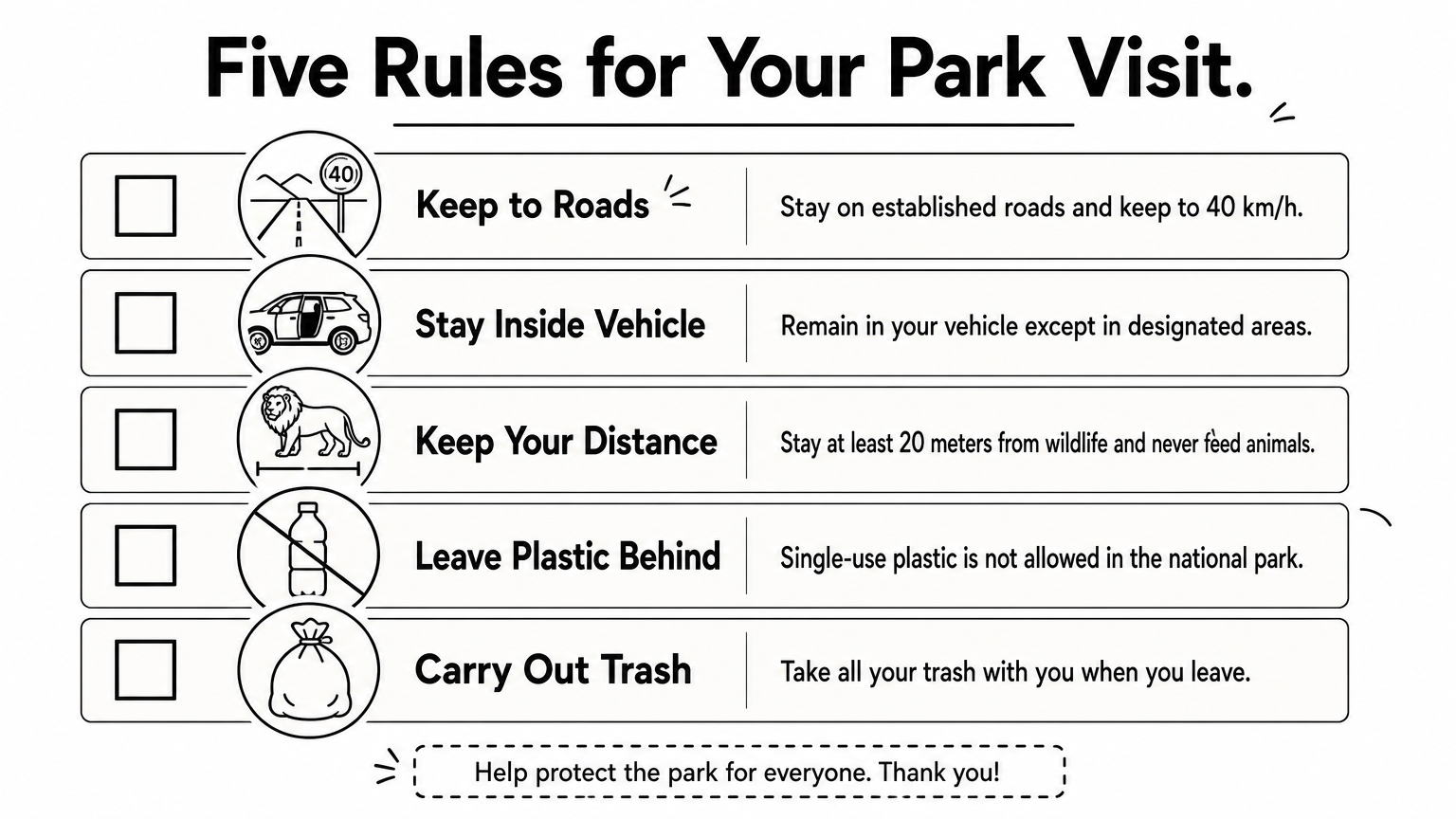
- Stay on established roads and keep to the 40 km/h speed limit.
- Remain in your vehicle except in designated areas.
- Keep at least 20 meters from wildlife and never feed animals.
- Leave single-use plastic behind, because national parks are plastic-free.
- Carry out all your trash.
Best time and what to pack
Long-term records show rain peaking in April and August, with January the driest month. Dry spells make tracks easier and animals easier to find.
Bring binoculars for the birds and distant rhinos, plus a camera, sunscreen, sunglasses, insect repellent, drinking water and a small first aid kit.
How to fit Lake Nakuru into a Kenya safari
Lake Nakuru works best as a one-night or one-day stop between Lake Naivasha and the Masai Mara. Its short distance from Nairobi means you rarely lose a full day to driving.
Where to stay
Inside and around the park you can choose from lodges, guest houses and campsites. Lodges named by KWS include Sarova Lion Hill, Lake Nakuru Lodge and Lake Nakuru Sopa Lodge. Naishi Guest House is inside the park. Public camping is at Makalia, with several special campsites for groups. Your budget decides the style, from basic camping to luxury tented camps.
Combining Nakuru with Naivasha and the Mara
Several Laxa Trails Safaris itineraries include Lake Nakuru:
- 4 days: Lake Naivasha, Lake Nakuru and the Masai Mara, full board, with all park entrance fees included.
- 5 days (Big Five): Naivasha, Nakuru and the Mara, listed at $1,460, with park entry fees and a driver-guide included.
- 5 days (rhino tracking): Lake Naivasha, Hell’s Gate, Lake Nakuru and the Mara, listed at $1,765, ending with a Maasai village visit.
- 6 days: Amboseli, Nakuru, Naivasha and the Mara, listed at $2,195 and all inclusive.
Most Laxa safaris run privately for a minimum of two people. The company suggests no more than seven per vehicle, so everyone keeps a window seat. Vehicles are land cruisers or pop-up-roof minibuses.
Pair Lake Nakuru with Naivasha and the Mara, and you get rhinos, boat rides and big cats in one route.
Plan your Lake Nakuru visit
Lake Nakuru is a shallow soda lake in Kenya’s Rift Valley, about three hours from Nairobi. It is worth visiting for its rhino sanctuary, abundant birdlife and reliable big cats, with flamingos as a bonus that depends on water levels. Budget $90 per non-resident adult for entry, arrive between 6:00 AM and 6:00 PM, and follow the park rules.
If you would rather skip the logistics, you can book the 4-day Lake Naivasha, Lake Nakuru and Masai Mara safari with Laxa Trails Safaris and build it around your dates, group size and budget.