

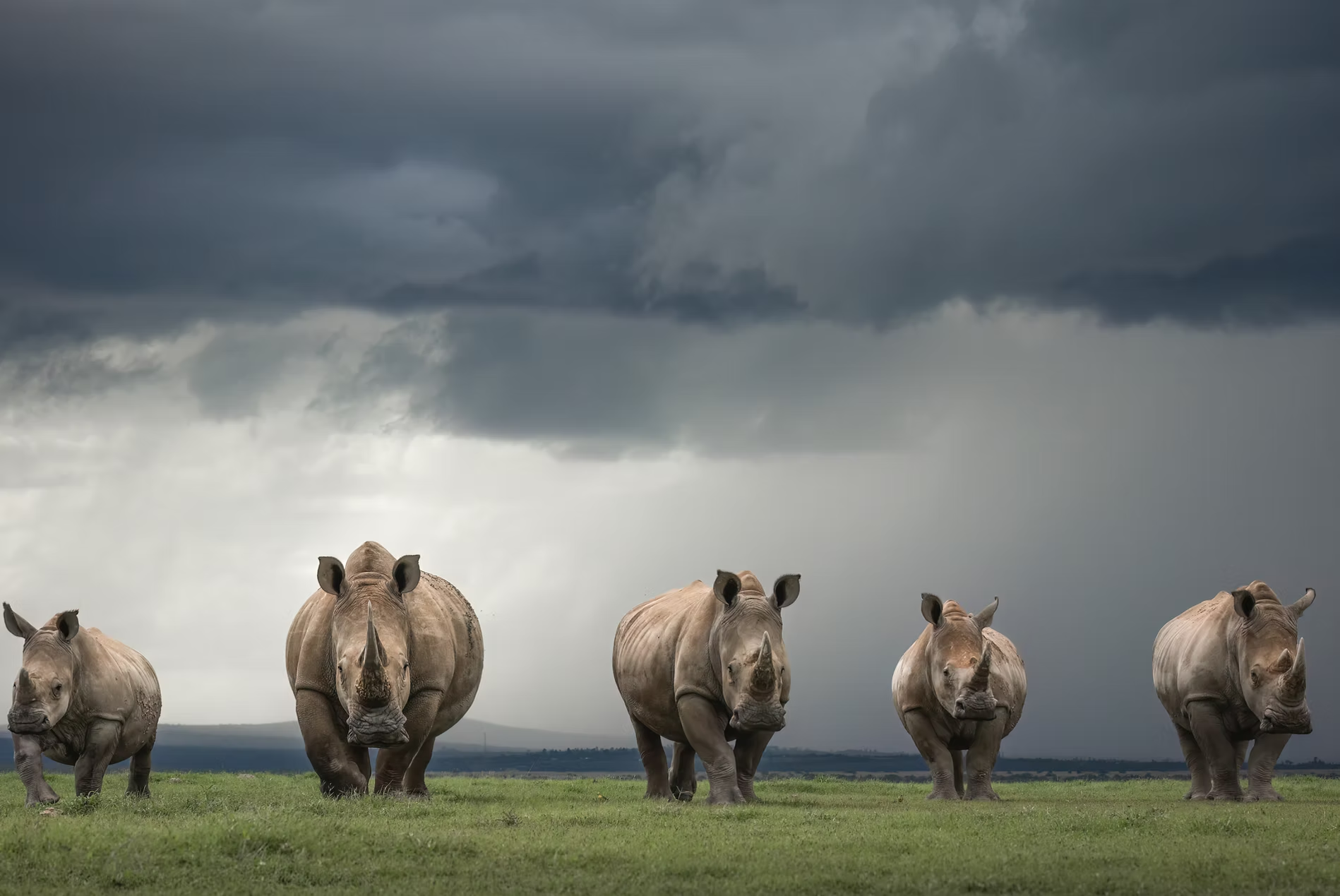
Best 4 Places to See Rhinos in Kenya | Ultimate Rhino Safari Guide
Kenya is one of Africa’s most remarkable destinations for rhino safaris, offering exceptional opportunities to see black rhinos and white rhinos in their natural habitat. If seeing these magnificent and endangered animals is high on your Kenya safari bucket list, choosing the right wildlife destination can make your experience even more rewarding.
From the famous Lake Nakuru rhino sanctuary to the conservation success story of Ol Pejeta Conservancy, these are four of the best places in Kenya for an unforgettable rhino-watching safari.
1. Lake Nakuru National Park – One of Kenya’s Best Rhino Parks
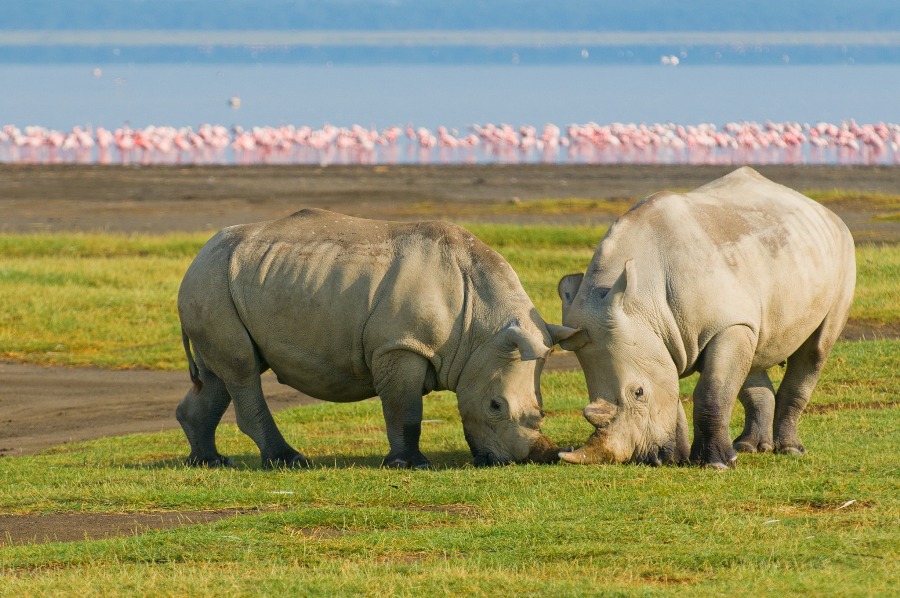
Lake Nakuru National Park is one of the most famous destinations for rhino viewing in Kenya. Located in Kenya’s Great Rift Valley, the park combines open grasslands, acacia woodland, rocky escarpments and the spectacular Lake Nakuru.
Lake Nakuru is an important black rhino and white rhino conservation area, giving visitors an excellent opportunity to encounter both species during a game drive.
Why visit Lake Nakuru for rhinos?
A Lake Nakuru safari gives you the chance to combine rhino viewing with sightings of lions, leopards, buffaloes, Rothschild’s giraffes and many bird species.
Best for: First-time safari travellers, families, photographers and visitors combining Lake Nakuru and Maasai Mara safaris.
2. Nairobi National Park – Rhino Safari Just Outside the City
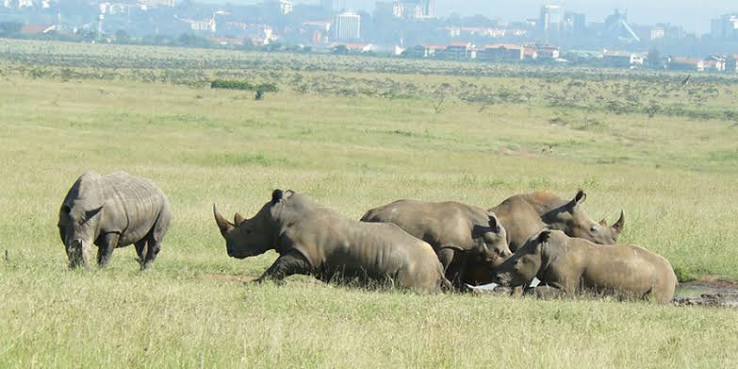
Imagine watching a wild rhino with the Nairobi skyline in the background. That is what makes Nairobi National Park one of Kenya’s most unique safari destinations.
Located just outside Nairobi, the park is famous for being the “World’s Only Wildlife Capital.”
Both black rhinos and white rhinos can be found within the Nairobi ecosystem, making the park an excellent choice for travellers with limited time.
Why choose Nairobi National Park?
The biggest advantage is accessibility. Visitors can enjoy a half-day Nairobi National Park safari before an afternoon flight, after arriving in Kenya, or as part of a longer Kenya safari.
For travellers staying in Nairobi, this is one of the easiest ways to add a rhino safari experience to their itinerary.
3. Solio Conservancy – A Premier Rhino Conservation Destination
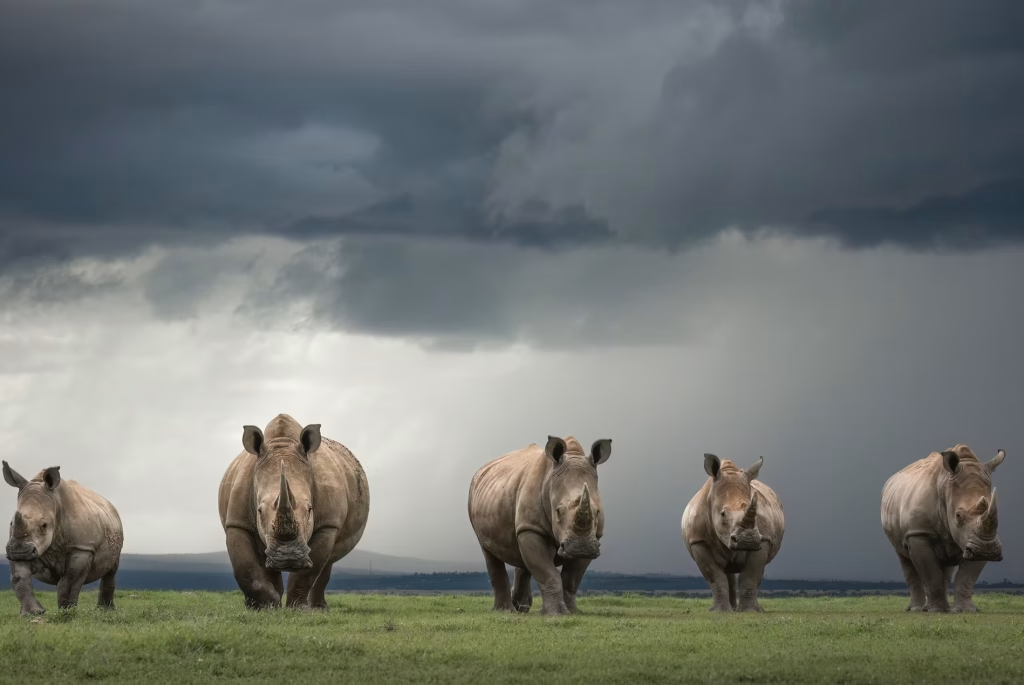
Located in Kenya’s spectacular Laikipia region, Solio Conservancy is one of the country’s most important private wildlife conservation areas and one of the best places to see rhinos in Kenya.
Solio has a long history of successful rhino conservation and breeding, and the conservancy provides a protected environment for both black rhinos and white rhinos.
Unlike a busy national park, a Solio Conservancy safari offers a more exclusive and intimate wildlife experience. The open grasslands and carefully managed wildlife habitat provide excellent opportunities for rhino photography and wildlife viewing.
Why visit Solio Conservancy for rhinos?
Solio is particularly special because your safari experience is closely connected to wildlife conservation. Visitors can learn about rhino protection, anti-poaching measures, breeding programmes and the importance of preserving endangered species.
Besides rhinos, the conservancy supports an impressive variety of wildlife, including lions, leopards, buffaloes, giraffes and zebras.
Best for: Rhino enthusiasts, wildlife photographers, conservation travellers, luxury safari guests and travellers seeking an exclusive Kenya wildlife safari.
4. Ol Pejeta Conservancy – A World-Leading Rhino Conservation Story
For anyone interested in rhino conservation in Kenya, Ol Pejeta Conservancy is a destination that should be high on the safari list.
Located in Laikipia, Ol Pejeta is home to significant populations of black rhinos and southern white rhinos and has become internationally recognised for its conservation work.
The conservancy is also home to Najin and Fatu, the world’s last two northern white rhinos. The northern white rhino is considered functionally extinct in the wild, making Ol Pejeta an extraordinary place to learn about one of the world’s most important wildlife conservation stories.
Why visit Ol Pejeta?
A rhino safari at Ol Pejeta Conservancy offers much more than simply seeing an animal. It provides an opportunity to understand the challenges facing rhinos and the conservation efforts being used to protect them.
Visitors can also encounter lions, elephants, buffaloes, giraffes, zebras and other wildlife, making Ol Pejeta an excellent destination for a complete Big Five safari in Kenya.
Best for: Conservation enthusiasts, wildlife photographers, families, luxury travellers and visitors interested in black rhino and white rhino conservation.
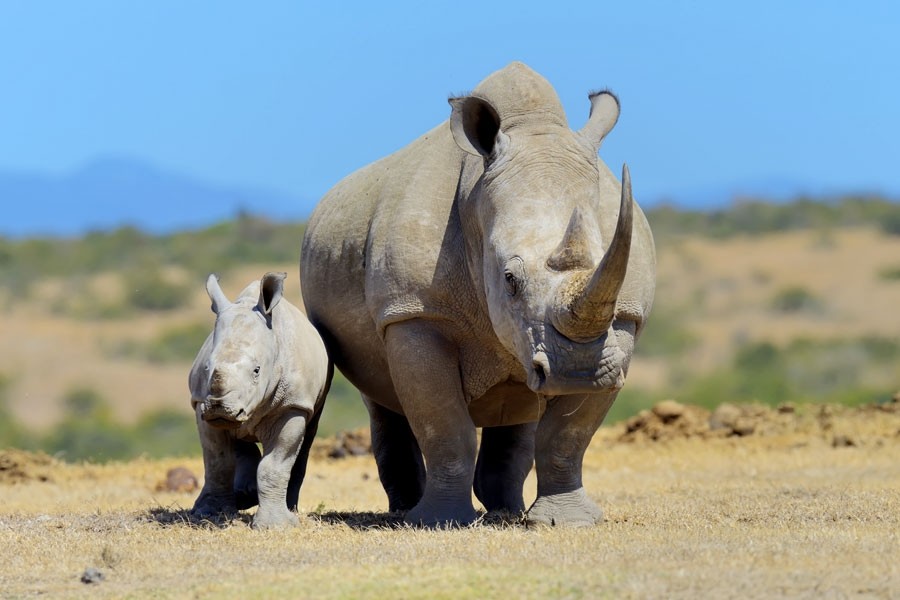
Understanding Kenya’s Rhinos: Black Rhino vs White Rhino
Despite their names, black rhinos and white rhinos are both generally grey in colour. Their names are not based on their actual skin colour. The easiest ways to distinguish them are their mouth shape, feeding habits, body structure and behaviour.
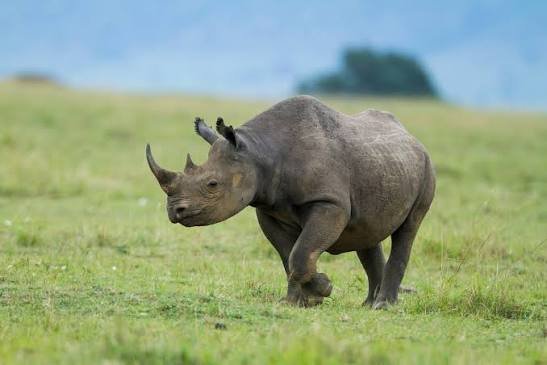
Black Rhino – The Browser of the Bush
The black rhino (Diceros bicornis) is one of Africa’s most endangered large mammals and is classified as Critically Endangered.
Black rhinos are primarily browsers, feeding on leaves, shoots, twigs and shrubs. Their pointed, prehensile upper lip is perfectly adapted for pulling vegetation from bushes and trees.
They tend to prefer thickets, bushland and woodland edges, which can make them more challenging to spot than white rhinos in open grasslands.
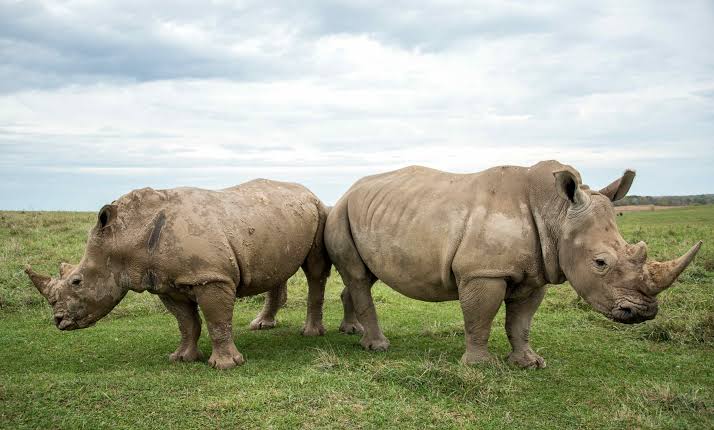
White Rhino – The Grassland Grazer
The white rhino (Ceratotherium simum) is the largest of the two African rhino species.
Unlike the black rhino, the white rhino is primarily a grazer, feeding mainly on short grass. Its broad, square-shaped mouth is specially adapted for grazing.
White rhinos generally prefer open grasslands and are often seen in small groups, making them excellent subjects for wildlife photography.
The name “white rhino” does not mean the animal is white. It is generally grey, while the name is commonly linked to the broad shape of its mouth.
How to identify a white rhino
- Broad, square-shaped mouth
- Mainly feeds on grass
The Northern White Rhino – A Conservation Story the World Cannot Ignore
Kenya has a unique place in the history of the northern white rhino.
The northern white rhino (Ceratotherium simum cottoni) is considered extinct in the wild. The last two known northern white rhinos, Najin and Fatu, live under protection at Ol Pejeta Conservancy in Kenya.
Their story has become a powerful symbol of the global fight against wildlife extinction.
A visit to Ol Pejeta therefore provides more than a wildlife encounter. It gives travellers an opportunity to understand the importance of rhino conservation, anti-poaching efforts, wildlife protection and scientific research.
When Is the Best Time to See Rhinos in Kenya?
Rhinos can be seen throughout the year, but dry-season safari months can provide particularly rewarding wildlife-viewing conditions. During dry periods, vegetation may be less dense and animals can be easier to locate around water and feeding areas.
Early morning and late afternoon game drives are also excellent for wildlife viewing. The cooler temperatures can encourage animal activity, while the softer natural light provides fantastic opportunities for wildlife photography and rhino photography.
However, responsible safari operators should never guarantee wildlife sightings. Rhinos are wild animals, and their movements depend on habitat, weather, food availability and natural behaviour.
How to Plan the Ultimate Kenya Rhino Safari
If your primary goal is to see rhinos, consider building your itinerary around Kenya’s leading rhino conservation areas rather than relying on chance encounters.
A fantastic Kenya rhino safari itinerary could combine:
Nairobi National Park → Lake Nakuru National Park → Ol Pejeta Conservancy → Maasai Mara
For travellers who want a deeper conservation experience, adding Solio Conservancy to a Laikipia safari can provide an exceptional opportunity to explore Kenya’s rhino conservation success stories.
Whether you are interested in black rhinos, white rhinos, wildlife photography, Big Five safaris, conservation tourism or family safaris, Kenya offers some of Africa’s most rewarding opportunities to encounter these magnificent animals.
Book Your Kenya Rhino Safari with Laxatrails Safaris
Ready to experience the best of Kenya wildlife and rhino safaris?
At Laxatrails Safaris, we create professionally planned Kenya safari packages covering national parks, wildlife conservancies and conservation areas across the country.
From a Nairobi National Park half-day safari and Lake Nakuru rhino safari to an unforgettable Ol Pejeta and Solio Conservancy safari, we can help you design a memorable wildlife adventure based on your interests, budget and travel dates.
Book your Kenya rhino safari with Laxatrails Safaris and experience the beauty of Kenya’s wildlife while supporting the importance of conservation.


Lake Naivasha And Lake Nakuru: Which To Visit, Or Both? - Laxa Trails Safaris
[…] more dependable draw is the rhinos. White rhinos graze on the grassy floodplains near the lake, while black rhinos browse in the […]
Masai Mara Kenya Safari: What It Is And How To Plan One - Laxa Trails Safaris
[…] Lions, elephants and buffalo are common, and cheetahs, giraffes, zebras, hippos and crocodiles round out a typical day. Leopards and rhinos are the hard ones. Rhinos are rare in the reserve, which is why guides work hardest for them, and there are other places to see rhinos in Kenya. […]
4 Best Parks To See The Big Five Animals In Kenya - Laxa Trails Safaris
[…] the best parks a sighting takes luck and a sharp guide. Rhinos are rare across the country, but the best places to see rhinos in Kenya are protected sanctuaries where your odds rise […]
Amboseli National Park: Where It Is And What To Expect - Laxa Trails Safaris
[…] and rhino are virtually absent here, so you cannot count on the Big Five. You will see lion, cheetah, […]